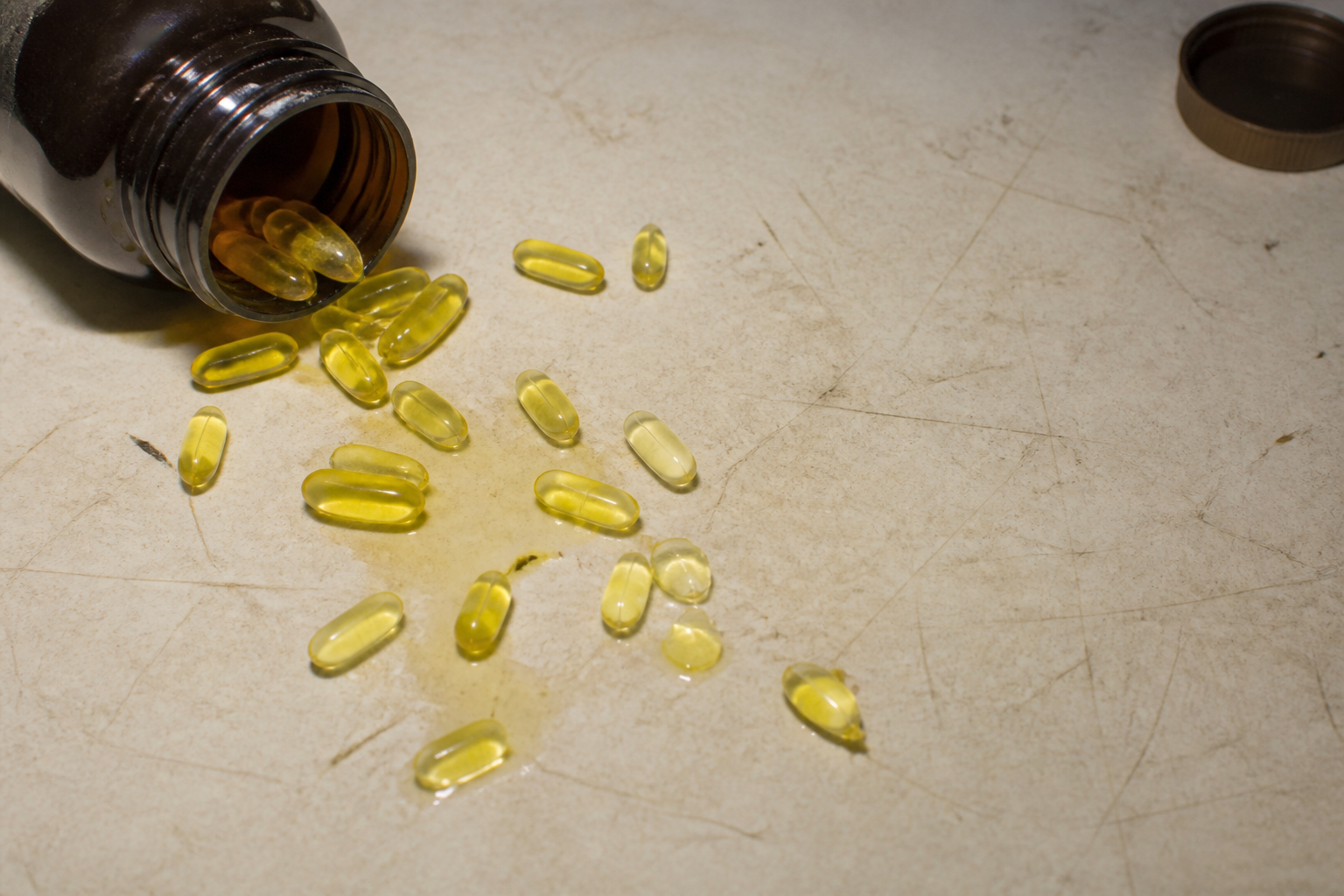

I took fish oil for years because it felt like the adult thing to do. Then I measured an omega-3 index and the number was mediocre. That is a useful kind of embarrassment.
The index is the percentage of EPA plus DHA in red blood cell membranes. It reflects months, not yesterday’s lunch. Bill Harris and Clemens von Schacky pushed this as a risk marker. The epidemiology is stronger than the “fish oil cures everything” posters in pharmacies.
Large outcome trials in omega-3 are messy. REDUCE-IT used a high-dose EPA ethyl ester in a specific high-risk population and saw benefit. STRENGTH used a mixed EPA/DHA carboxylic acid and did not. If someone tells you “fish oil is proven” without naming the trial, they are selling. We still care about the index as a diet quality marker. We do not pretend a drugstore bottle is icosapent ethyl.
Food first, then arithmetic
Fatty fish twice a week still beats a cloudy capsule you bought in 2022 and left in a hot car. If you do not eat fish, a supplement is the workaround, not a personality.
Look for EPA and DHA in milligrams, not “1000mg fish oil.” A lot of that gram is filler oil. I aim for a combined EPA+DHA in the 1 to 2 gram range if I am using a bottle, then I re-test. Algae oil exists if you do not want fish. The dose still has to be real.
The number I care about
Under 4% is common in people who eat like the default Western menu. Around 8% is where a lot of the cardiology conversation sits. Getting from 4 to 8 is a diet and dose problem, not a brand problem.
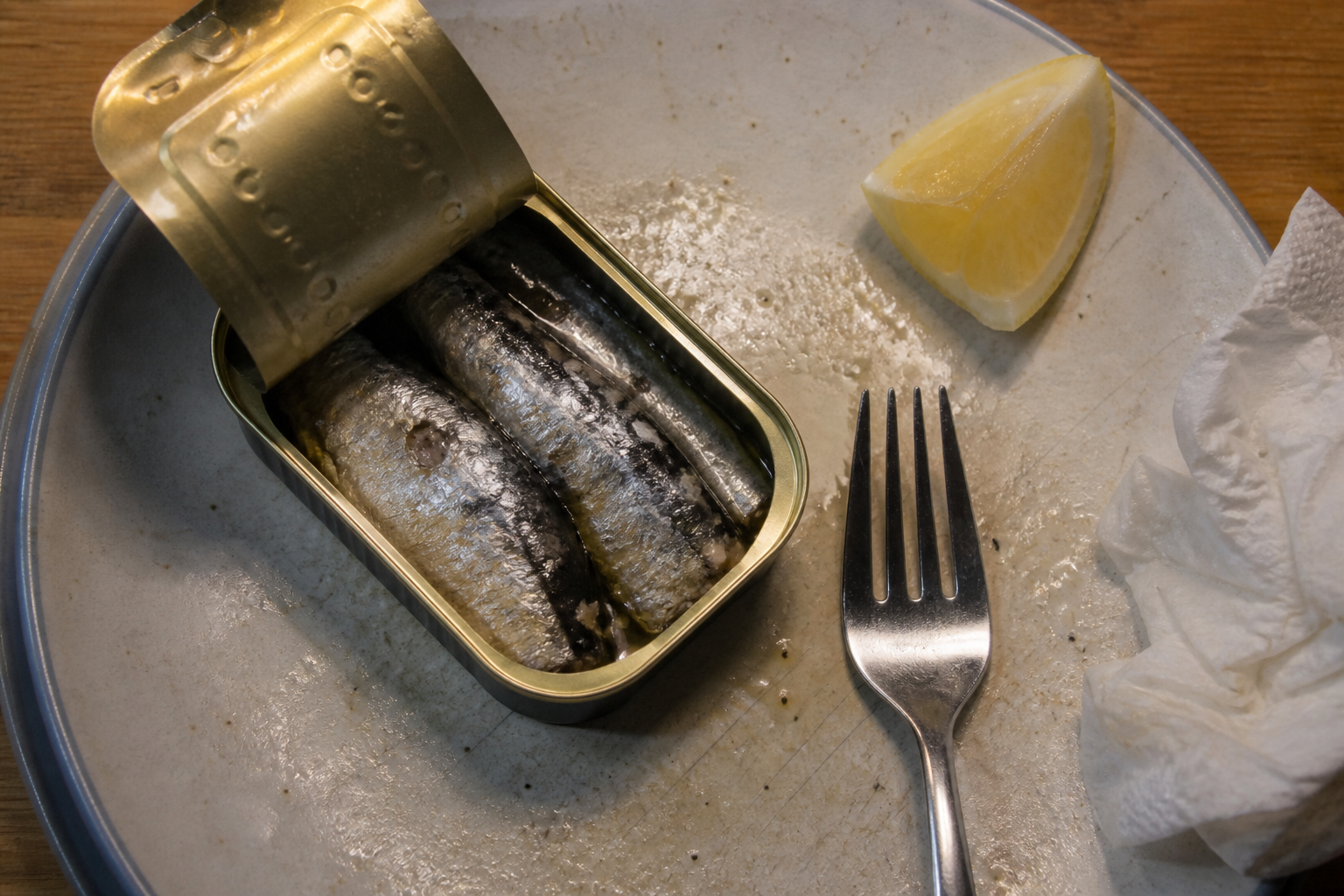
I measured 4.6% after years of “I take fish oil.” The bottle was 1000mg “fish oil” with maybe 300mg combined EPA/DHA and a habit of forgetting it. I switched to actual sardines twice a week plus a bottle that listed 1000mg+ combined EPA/DHA, retested at four months, and landed in the mid-7s. Still not a miracle. Finally a number that matched the story I was telling myself.
If you are on a blood thinner, you talk to the person who prescribed it before you start swallowing grams of oil. That is not me being dramatic. That is how you do not learn about bleeding risk from a blog.
I still eat sardines. They are ugly and they work. The capsules are for the weeks I cannot stand another tin. Read the milligrams on the bottle anyway.
Who should not self-dose
People with fish allergy (algae is the bypass). People on anticoagulants. People who think a capsule replaces blood pressure drugs. People chasing “brain oil” with 200mg DHA and a headline.
Common questions
Krill vs fish? Marketing. Look at EPA+DHA per dollar and per capsule. Krill is often weaker per pill.
Oxidation? Rancid oil smells like a jetty. If it does, bin it. Store it cool.
Vegetarian? Algae DHA/EPA. Same index logic.
Can I just eat flax? ALA conversion to EPA/DHA in humans is limited. Flax is fine food. It is not a reliable path to an 8% index.
Sources
- Harris WS, von Schacky C. The Omega-3 Index: a new risk factor for death from coronary heart disease? Prev Med. 2004.
- Bhatt DL, et al. REDUCE-IT. N Engl J Med. 2019 (icosapent ethyl, high-risk patients).
- Nicholls SJ, et al. STRENGTH trial. JAMA. 2020 (mixed omega-3, different result).
- USDA / American Heart Association fish intake guidance (food-first).
Science edit: Lena Park.