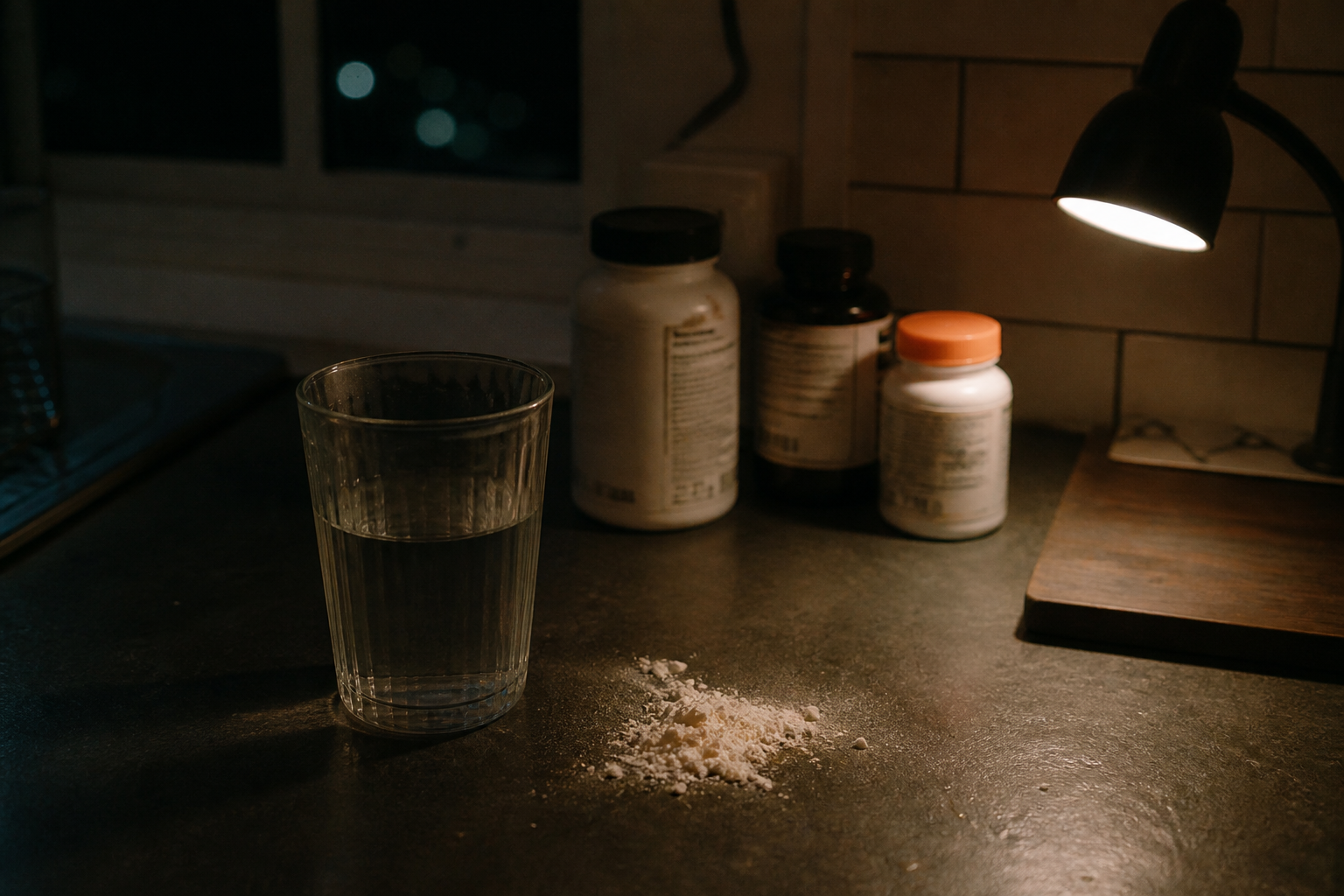

I have a graveyard of magnesium bottles. Oxide, citrate, some “cal-mag” from an airport. The oxide ones were cheap and they did what oxide does: they pulled water into the gut. I slept the same and spent more time in the bathroom.
A lot of men are a bit low on magnesium, especially if they train, sweat, drink, or eat like the 21st century. The RDA is not a heroic dose. Food still does most of the work: pumpkin seeds, some beans, cacao if you are that person. The pill is for the gap. The NIH Office of Dietary Supplements fact sheet is still the sober starting point, not a Twitter thread.
Which salt, in English
Oxide. High elemental magnesium on the label, poor absorption, laxative. Fine if constipation is the actual problem. A bad night-time ritual.
Citrate. Better absorbed than oxide. Still loosens stool for a lot of people. I use it when travel has me stopped up. I do not use it as a sleep aid.
Glycinate (bisglycinate). This is the one I keep on the shelf for evenings. Gentler on the gut. Glycine is its own story for sleep. Whether that pairing is magic or just a decent salt, I sleep more easily on it than on oxide.
Threonate. Marketed at the brain. Costs more. The human data is thinner than the ads. I have tried it. I could not tell it apart from glycinate in my own notes, which is a boring result and probably the honest one.
How I take it
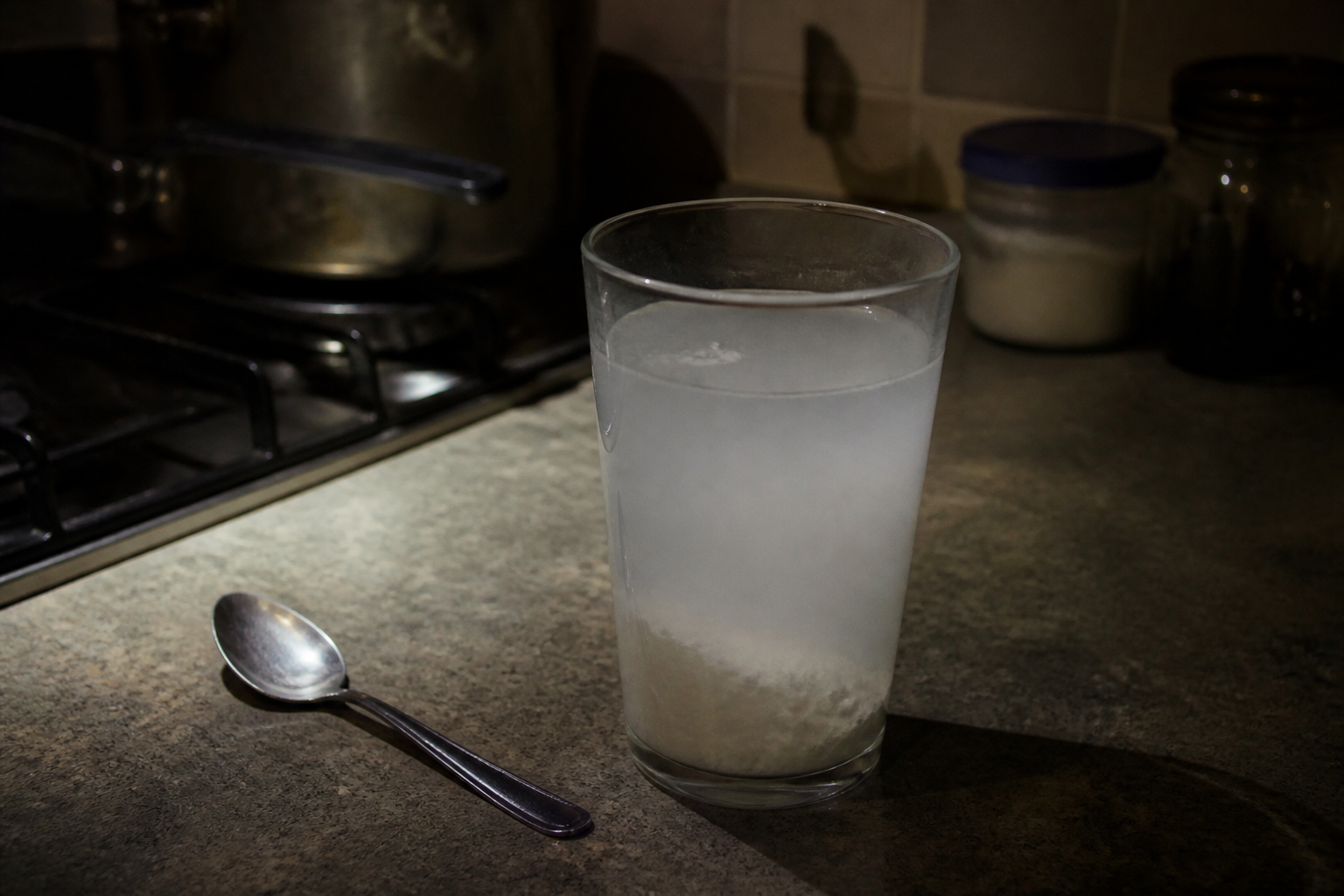
200 to 400mg elemental, 60 to 90 minutes before bed. Start low if you get vivid dreams or loose stool. It is not a knockout pill. If you still wake at 3am, look at alcohol, apnea, and the phone, not at a fourth salt.
Check a label for elemental magnesium, not just the weight of the compound. 500mg of glycinate is not 500mg of magnesium. The companies know you will not do the arithmetic.
I ran oxide for a month because it was on sale. Bathroom: successful. Sleep diary: unchanged. Switched to glycinate at 200mg elemental. Sleep onset got a little easier. Not a miracle. Enough that I kept buying it. That is my experience, not a trial.
Abbasi and colleagues published a small randomized study in older adults with insomnia using magnesium. It is cited everywhere. It is also small and not a 35-year-old shift worker. We mention it because it exists, not because it settles the internet.
Safety, the adult version
Kidney disease changes the math. Magnesium can accumulate. If your GFR is not something you know, do not play supplement chemist. Interactions exist with some antibiotics and bisphosphonates (timing). Diarrhea is the common dose-limiter. Cardiac patients who are already on a pile of meds should not add grams because a podcast yelled “minerals.”
Common questions
With food or without? Glycinate at night, I take it without a feast. Oxide with food if you must use oxide, because your gut will notice.
Can I skip food sources if I pill? You can. You should not. Pills are a patch.
Blood test? Serum magnesium is a lousy picture of total body status. RBC magnesium is trendy and not a perfect oracle either. Symptoms plus diet plus a clinician if you are chasing a true deficiency.
Women vs men dosing? The RDAs differ slightly. This site writes for men because that is the brief. The salt chemistry is the same.
Sources
- NIH Office of Dietary Supplements. Magnesium fact sheet for health professionals.
- Abbasi B, et al. The effect of magnesium supplementation on primary insomnia in elderly. J Res Med Sci. 2012.
- Institute of Medicine. Dietary reference intakes for magnesium (RDA tables).
- Coudray C, et al. Study of magnesium bioavailability from 10 organic and inorganic salts in rats (animal; use as chemistry context, not a human protocol).
Science edit: Lena Park.