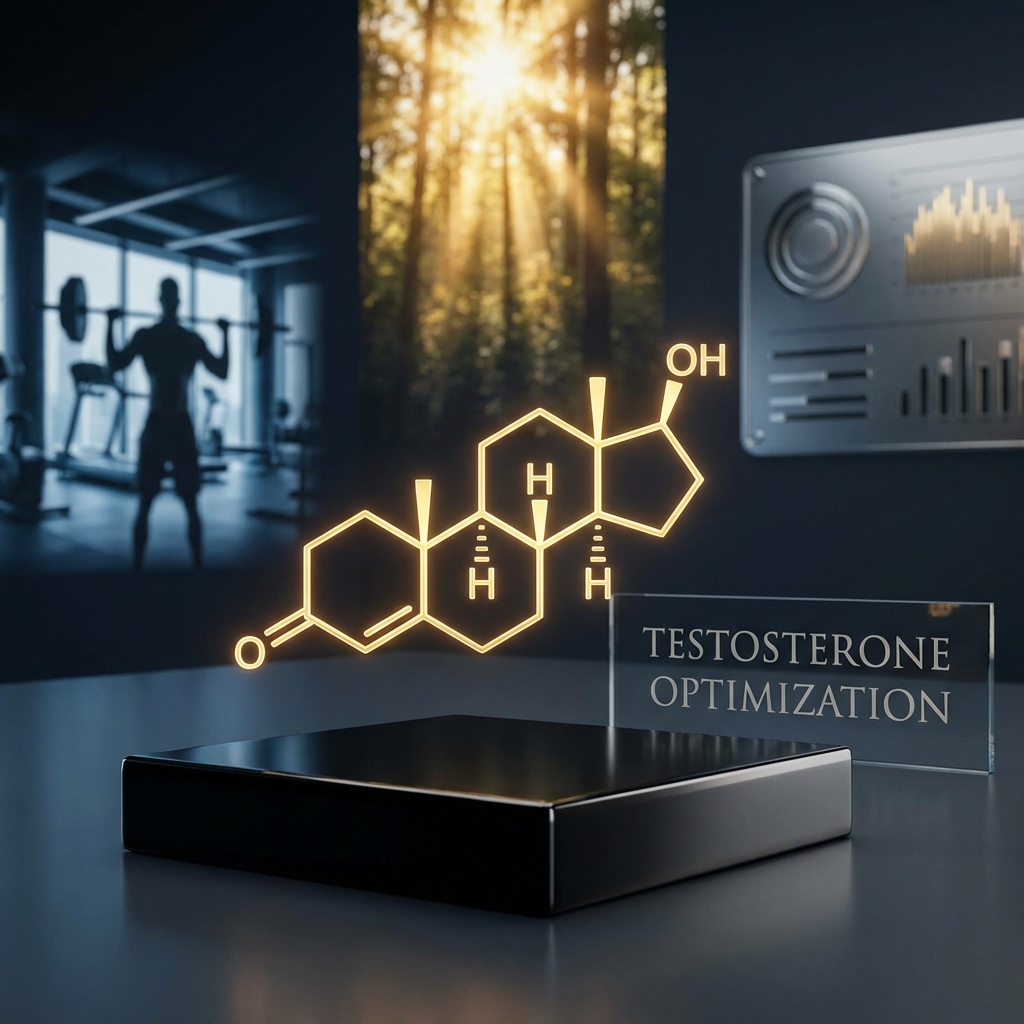
Testosterone Optimization for Men 40+: Natural Strategies to Reverse the Decline
Transparency Disclosure: This article contains affiliate links. If you purchase through these links, we may earn a small commission to support our research. We only recommend products we personally trust.
The Silent Epidemic: Low T in Men
The data is alarming:
- Testosterone levels have declined 1% per year since the 1980s
- Average 40-year-old man today has 20-30% lower testosterone than a 40-year-old in 1980
- 40% of men over 45 have clinically low testosterone
- By age 60, most men have the testosterone levels of a pre-pubescent boy
The consequences:
- Loss of muscle mass and strength
- Increased body fat (especially visceral fat)
- Reduced libido and erectile dysfunction
- Depression, brain fog, fatigue
- Increased risk of cardiovascular disease
- Accelerated aging
But here’s the good news: For most men, testosterone can be optimized naturally—without testosterone replacement therapy (TRT).
This guide covers:
- How to test your testosterone properly
- Root causes of low T (and how to fix them)
- Natural optimization strategies
- When (and when NOT) to consider TRT
- Supplement protocols that actually work
Part 1: Understanding Testosterone
What Is Testosterone?
Testosterone is the primary male sex hormone, produced primarily in the testes (Leydig cells) and regulated by the hypothalamus-pituitary-gonadal (HPG) axis.
Functions:
- Muscle protein synthesis (anabolic effects)
- Bone density maintenance
- Fat distribution regulation
- Red blood cell production
- Sperm production
- Libido and sexual function
- Mood regulation and cognitive function
- Energy and motivation
The Types of Testosterone
1. Total Testosterone
- The sum of all testosterone in your blood
- Includes bound + free testosterone
- Normal range: 300-1000 ng/dL (varies by lab)
- Optimal for men 40+: 600-900 ng/dL
2. Free Testosterone
- Testosterone NOT bound to proteins (biologically active)
- Only 2-3% of total testosterone
- Normal range: 9-30 pg/mL
- Optimal: Top 25% of range for your age
3. Bioavailable Testosterone
- Free testosterone + loosely bound (albumin-bound)
- More accurate indicator than total testosterone
4. SHBG (Sex Hormone Binding Globulin)
- Protein that binds testosterone (makes it inactive)
- High SHBG = low free testosterone (even if total is normal)
- Optimal SHBG: 20-40 nmol/L
Age-Related Testosterone Decline
The natural decline:
- Starts around age 30
- Decreases ~1-2% per year
- By age 60: Total T is 30-50% lower than age 30 peak
Why it declines:
- Leydig cell dysfunction (reduced testosterone production)
- Increased aromatase activity (converts testosterone → estrogen)
- Higher SHBG (more testosterone bound = less bioavailable)
- Chronic stress and poor sleep (disrupts HPG axis)
- Environmental toxins (endocrine disruptors)
Part 2: Testing Your Testosterone
The Right Way to Test
When to test:
- Morning (7-10 AM): Testosterone peaks in the morning
- Fasted state (or light breakfast)
- Well-rested (poor sleep tanks testosterone)
What to test (comprehensive panel):
- Total Testosterone
- Free Testosterone (calculated or direct assay)
- SHBG (sex hormone binding globulin)
- Estradiol (E2) (the active estrogen)
- LH (Luteinizing Hormone) (pituitary signal to testes)
- FSH (Follicle-Stimulating Hormone)
- Prolactin (high levels suppress testosterone)
- Thyroid panel (TSH, Free T3, Free T4)
- Cortisol (AM cortisol—stress marker)
Where to get tested:
- Through doctor: Insurance may cover
- Direct labs: PrivateMDLabs, Marek Health, UltaLab Tests ($150-300)
- Comprehensive longevity panels: InsideTracker, Function Health
Frequency:
- Baseline: Test once to establish levels
- Follow-up: Every 6-12 months (or 3 months if making interventions)
Interpreting Your Results
Total Testosterone:
- < 300 ng/dL: Clinical hypogonadism (consider TRT)
- 300-500 ng/dL: Low-normal (optimize naturally first)
- 500-700 ng/dL: Mid-range (room for improvement)
- 700-1000 ng/dL: Optimal
- > 1000 ng/dL: Suspect exogenous testosterone or tumor (rare)
Free Testosterone:
- < 5 pg/mL: Very low (immediate action)
- 5-9 pg/mL: Low-normal
- 9-15 pg/mL: Mid-range
- > 15 pg/mL: Optimal
Testosterone-to-Estradiol Ratio:
- Ideal: 20:1 or higher (T:E2)
- Example: Total T = 700 ng/dL, Estradiol = 30 pg/mL → Ratio = 23:1 ✅
- High estradiol (> 40 pg/mL) in men = excess aromatization
Part 3: Root Causes of Low Testosterone
1. Obesity & Metabolic Dysfunction
The mechanism:
- Fat tissue (especially visceral fat) contains aromatase enzyme
- Aromatase converts testosterone → estrogen
- More fat = more aromatase = lower testosterone
- Creates a vicious cycle
The fix:
- Lose body fat (especially abdominal fat)
- Target: < 15% body fat for men
2. Poor Sleep
The mechanism:
- Testosterone is produced during sleep (especially REM)
- Sleep deprivation reduces testosterone by 10-15% after just 1 week
- Chronic poor sleep = chronic low testosterone
The data:
- Study: Men sleeping 5 hours had testosterone levels of someone 10-15 years older
The fix:
- 7-9 hours per night
- Consistent sleep schedule
- Optimize sleep environment (see sleep optimization article)
3. Chronic Stress & Cortisol
The mechanism:
- Cortisol (stress hormone) directly inhibits testosterone production
- Chronic stress → elevated cortisol → suppressed HPG axis
The fix:
- Stress management (meditation, breathwork, nature exposure)
- Adaptogenic herbs (Ashwagandha, Rhodiola)
- Reduce work stress, toxic relationships
4. Micronutrient Deficiencies
Critical nutrients for testosterone:
- Zinc: Cofactor for testosterone synthesis
- Magnesium: Reduces SHBG (increases free testosterone)
- Vitamin D: Acts like a steroid hormone, supports testosterone production
- Boron: Lowers SHBG, increases free testosterone
The fix:
- Zinc: 30-50mg daily (with food)
- Magnesium: 400-600mg daily
- Vitamin D3: 5000 IU daily (test levels, target 50-80 ng/mL)
- Boron: 6-10mg daily
5. Environmental Toxins (Endocrine Disruptors)
The culprits:
- Plastics (BPA, phthalates): Mimic estrogen
- Pesticides (glyphosate, atrazine): Disrupt hormone production
- Heavy metals (lead, mercury): Impair Leydig cells
- Seed oils (oxidized PUFAs): Inflammatory damage to testes
The fix:
- Avoid plastic food containers (use glass, stainless steel)
- Filter drinking water (reverse osmosis)
- Buy organic produce (or wash thoroughly)
- Eliminate seed oils (canola, soybean, corn oil)
6. Lack of Exercise (or Too Much Cardio)
The mechanism:
- Resistance training stimulates testosterone production
- Excessive endurance training (chronic cardio) suppresses testosterone
- Overtraining = elevated cortisol = low testosterone
The fix:
- Heavy compound lifts (squats, deadlifts, bench press) 3-4x/week
- Limit steady-state cardio to < 60 min sessions
- Prioritize Zone 2 + short HIIT over marathon training
7. Low Cholesterol & Fat Intake
The mechanism:
- Testosterone is synthesized from cholesterol
- Low-fat diets = insufficient substrate for hormone production
The fix:
- Eat healthy fats: Eggs, grass-fed butter, avocados, olive oil, fatty fish
- Don’t fear cholesterol (eggs are ideal)
- Target: 0.4-0.5g fat per pound of body weight
Part 4: Natural Testosterone Optimization
Strategy 1: Strength Training (The Foundation)
The protocol:
- Frequency: 3-4 sessions per week
- Focus: Compound movements (squat, deadlift, bench, rows)
- Intensity: 75-85% of 1RM (6-10 reps per set)
- Volume: 3-5 sets per exercise
- Rest: 2-3 minutes between sets
Why it works:
- Triggers acute testosterone spike (lasts 15-60 min post-workout)
- Builds muscle (muscle mass correlates with testosterone)
- Reduces body fat (see Strategy 2)
Best exercises for testosterone:
- Barbell Squats (legs = 40% of body’s muscle mass)
- Deadlifts (full-body, heavy load)
- Bench Press (upper body power)
- Overhead Press
- Weighted Pull-ups
Strategy 2: Body Fat Reduction
The target:
- < 15% body fat (ideal: 10-12%)
Why:
- Every 10 lbs of fat lost = ~10% increase in testosterone (approximately)
- Reduces aromatase activity
- Improves insulin sensitivity (metabolic health supports testosterone)
How to get there:
- High protein (1g per lb body weight)
- Caloric deficit (but NOT extreme—crashes testosterone)
- Resistance training (preserve muscle during fat loss)
- Intermittent fasting (16:8 or OMAD)
Strategy 3: Sleep Optimization
The protocol:
- 7-9 hours per night
- Consistent sleep/wake times (±30 min)
- Cool room (65-68°F)
- Pitch black (blackout curtains or sleep mask)
- Magnesium Glycinate (400mg before bed)
Why it works:
- Testosterone is produced during sleep (especially deep sleep stages)
- Sleep deprivation = cortisol spike = testosterone crash
Strategy 4: Nutritional Optimization
Macros for testosterone:
- Protein: 1g per lb body weight (supports muscle + satiety)
- Fat: 0.4-0.5g per lb (testosterone substrate)
- Carbs: Fill remaining calories (prioritize around workouts)
Top testosterone-boosting foods:
- Eggs (cholesterol + healthy fats)
- Grass-fed beef (zinc, B vitamins, creatine)
- Oysters (highest zinc content of any food)
- Salmon (omega-3s, vitamin D)
- Pomegranate (increases testosterone, blocks aromatase)
- Cruciferous vegetables (DIM blocks excess estrogen)
- Olive oil (monounsaturated fats, anti-inflammatory)
Foods to avoid: ❌ Soy (phytoestrogens—controversial but avoid excess) ❌ Alcohol (even moderate drinking lowers testosterone) ❌ Sugar & processed carbs (insulin spikes = testosterone crash) ❌ Seed oils (inflammatory, oxidized fats)
Strategy 5: Targeted Supplementation
Tier 1 (Foundational):
Vitamin D3 + K2
- Dose: 5000 IU D3 + 200mcg K2 daily
- Test levels (target: 50-80 ng/mL)
- Acts like a steroid hormone
Zinc
- Dose: 30-50mg daily (with food)
- Supports testosterone synthesis
- Deficiency is common
Magnesium
- Dose: 400-600mg daily (Glycinate or Threonate)
- Lowers SHBG (increases free testosterone)
- Improves sleep
Boron
- Dose: 6-10mg daily
- Increases free testosterone by 28% (study)
- Lowers SHBG and estradiol
Tier 2 (Performance):
Ashwagandha (KSM-66)
- Dose: 600mg daily
- Reduces cortisol by 28%
- Increases testosterone by 15-17% (studies)
- Improves strength and recovery
Tongkat Ali (Eurycoma longifolia)
- Dose: 200-400mg daily (standardized extract)
- Increases free testosterone
- Reduces SHBG
- Enhances libido
Fadogia Agrestis
- Dose: 600mg daily (cycle 8 weeks on, 4 weeks off)
- Stimulates LH (increases natural testosterone production)
- Often stacked with Tongkat Ali
Creatine
- Dose: 5g daily
- Increases DHT (dihydrotestosterone—more potent than testosterone)
- Supports muscle growth and strength
Tier 3 (Advanced):
DIM (Diindolylmethane)
- Dose: 200mg daily
- Estrogen metabolism support
- Prevents excess aromatization
Chrysin
- Dose: 500mg daily
- Aromatase inhibitor (reduces testosterone → estrogen conversion)
- Take with black pepper extract (piperine) for absorption
Strategy 6: Reduce Estrogen Dominance
Why it matters: High estrogen (relative to testosterone) causes:
- Water retention
- Gynecomastia (man boobs)
- Mood swings
- Fat gain (especially lower body)
How to lower estrogen:
- Lose body fat (fat produces aromatase)
- Eat cruciferous vegetables (broccoli, cauliflower, Brussels sprouts—contain DIM)
- Supplement DIM (200mg daily)
- Avoid xenoestrogens (plastics, soy, pesticides)
- Optimize liver health (liver metabolizes estrogen—milk thistle, NAC)
Strategy 7: Scrotal Cooling (Yes, Really)
The science:
- Testes function optimally at ~94°F (2-3°F cooler than core body temp)
- Chronic heat exposure (tight underwear, hot tubs, laptops on lap) reduces testosterone
The protocol:
- Wear loose-fitting underwear (boxers, not briefs)
- Avoid hot tubs and saunas (for extended periods)
- Cold exposure to groin area (ice packs, cold showers)
- Sleep naked or in loose shorts
Study: Switching from tight briefs to boxers increased sperm count by 25% and testosterone modestly
Part 5: When to Consider TRT (Testosterone Replacement Therapy)
The TRT Decision
When TRT makes sense:
- Total testosterone < 300 ng/dL on multiple tests
- Severe symptoms despite natural optimization (6+ months)
- Primary hypogonadism (damaged testes, cannot produce testosterone)
- Age 50+ with quality of life issues
When to avoid TRT:
- You haven’t tried natural optimization for 6-12 months
- Total T > 500 ng/dL (optimize naturally first)
- You’re under 40 (unless medical necessity)
- You want fertility soon (TRT suppresses sperm production)
The Risks of TRT
Suppression of natural production:
- Exogenous testosterone shuts down your HPG axis
- Testes atrophy (shrink)
- You become dependent on external testosterone
Fertility issues:
- TRT suppresses sperm production
- May require HCG to maintain fertility
Cardiovascular risks:
- Increased hematocrit (thicker blood → clotting risk)
- Possible increased risk of heart attack (controversial, data mixed)
Other risks:
- Acne, oily skin
- Male pattern baldness (if genetically predisposed)
- Sleep apnea (worsening)
- Mood swings (if estrogen not managed)
TRT Protocols (If You Go This Route)
Consult a specialized TRT clinic or endocrinologist.
Common protocols:
1. Testosterone Cypionate (Injections)
- Dose: 100-200mg per week (split into 2 doses)
- Inject subcutaneously or intramuscularly
- Most stable blood levels
2. Testosterone Gel (AndroGel, Testim)
- Apply daily to skin
- Easier than injections, but less consistent
3. Testosterone Pellets
- Implanted under skin (lasts 3-6 months)
- Expensive, requires minor surgery
Adjunct medications:
- HCG (Human Chorionic Gonadotropin): Maintains testicular function and fertility
- Aromatase inhibitor (Arimidex): Prevents excess estrogen conversion
- Blood donation: Every 8-12 weeks to manage hematocrit
Part 6: The Complete Optimization Protocol
Morning:
- Wake: 6-7 AM (consistent time)
- Sunlight exposure: 10-15 min outdoors (supports circadian rhythm + vitamin D)
- Supplements:
- Vitamin D3 + K2: 5000 IU + 200mcg
- Zinc: 30mg
- Boron: 10mg
- Ashwagandha: 600mg
- Tongkat Ali: 400mg
Breakfast:
- Eggs (3-4 whole eggs, cholesterol for testosterone)
- Grass-fed beef or salmon
- Avocado (healthy fats)
- Berries (antioxidants)
Midday:
- Resistance training (3-4x/week)
- Squats, deadlifts, bench press
- Heavy, 6-10 reps, 3-5 sets
Evening:
- Dinner: Protein + vegetables + healthy fats
- Grass-fed steak or wild-caught fish
- Cruciferous vegetables (broccoli, Brussels sprouts)
- Olive oil
Night:
- 1-2 hours before bed:
- Magnesium Glycinate: 400mg
- Dim lights (red bulbs)
- No screens (or blue light blockers)
- Bedtime: 10-10:30 PM
- Sleep: 7-9 hours, cool room (65-68°F)
Part 7: Measuring Progress
Test every 3-6 months:
- Total Testosterone
- Free Testosterone
- Estradiol
- SHBG
Track subjectively:
- Energy levels (morning alertness)
- Libido and sexual function
- Strength gains in the gym
- Body composition (muscle gain, fat loss)
- Mood and mental clarity
Target results (after 6-12 months):
- Total T: 700-900 ng/dL
- Free T: Top 25% of range
- Estradiol: 20-30 pg/mL
- T:E2 ratio: > 20:1
Conclusion: Take Control of Your Hormones
Testosterone isn’t just about “alpha male” posturing. It’s about:
- Vitality: Energy to live fully
- Strength: Maintaining muscle and independence as you age
- Mental clarity: Confidence, focus, motivation
- Longevity: Testosterone is a marker of overall health
The hierarchy:
- Sleep (7-9 hours, non-negotiable)
- Strength training (3-4x/week, heavy compounds)
- Body fat < 15% (lose fat, reduce aromatase)
- Micronutrients (Zinc, Magnesium, Vitamin D, Boron)
- Targeted supplements (Ashwagandha, Tongkat Ali)
- TRT (only if natural methods fail after 6-12 months)
You’re not doomed to decline. You can fight back.
Start today:
- Get bloodwork (baseline)
- Fix sleep
- Start lifting heavy
- Supplement the basics
Your testosterone levels in 12 months will thank you.
Recommended Products
Hand-picked essentials for longevity, recovery, and peak performance.

NIVEA MEN Hyaluron
Anti-Aging Face Cream

Cellular 1-MNA
Anti-Aging Supplement
Bio Green Power
Superfood Blend

Massage Gun
Portable Heat Therapy
As an Amazon Associate we earn from qualifying purchases. Prices may vary.
Written by MensHealthInstitute Team
Evidence-based Longevity Research