
Stress, Cortisol, and Testosterone: How to Break the Cycle (Without Hacks)
Transparency Disclosure: This article contains affiliate links. If you purchase through these links, we may earn a small commission to support our research. We only recommend products we personally trust.
Online, cortisol is often portrayed as a villain hormone. That is wrong. Cortisol helps you wake up, mobilize energy, and respond to training stress. The problem starts when stress becomes chronic and you never return to a true recovery state. Then sleep quality drops, libido suffers, training feels harder, and hormone discussions start.
This article is a practical plan that works for most men better than chasing the next supplement.
1) Recognize the pattern first
A common stress loop looks like this:
- you fall asleep late because your mind keeps running,
- you wake up tired and lean on caffeine,
- you feel wired at night and scroll,
- you train “through” fatigue,
- you use alcohol as a fast off-switch.
This is not lack of discipline. It is physiology trapped in a bad rhythm.
2) Circadian rhythm: the cheapest hormone regulator
Two inputs matter more than most people think.
Morning light
- 10 to 20 minutes of daylight soon after waking,
- a consistent wake time (even on weekends).
Evening darkness
- dim lights 1 to 2 hours before bed,
- reduce bright screens and stimulating content.
When light is correct, sleep often improves. When sleep improves, most recovery markers follow.
3) Caffeine: a tool that is easy to misuse
If you drink coffee “to function” rather than for enjoyment, that is a signal. Two simple rules:
- delay caffeine 60 to 90 minutes after waking,
- stop caffeine by early afternoon (individual sensitivity varies).
For many men, this alone improves sleep onset.
3a) Alcohol as a hidden sleep disruptor
Alcohol can make you sleepy, but it often worsens sleep architecture and recovery. Wearable trends commonly show it clearly: higher resting heart rate, lower HRV, more awakenings.
If you want a clean test without perfection:
- 14 days with no alcohol (or very limited),
- compare sleep quality, libido, mood, and training tolerance.
4) Training: less chaos, more quality
Chronic stress plus too much intensity is a fast path to overload.
A sustainable template for most men:
- 2 to 4 strength sessions per week,
- 2 to 3 easy aerobic sessions (Zone 2, conversational pace),
- intervals as a small add-on, not the foundation.
If HRV trends are down and resting heart rate trends are up, that is often a sign to reduce load, not increase it.
4a) Food timing and “3 a.m. wake-ups”
For some men, early awakenings are linked to late heavy meals, sugar swings, or poor evening routines. Try a 7-day experiment:
- last big meal 2 to 3 hours before bed,
- less sugar and heavy snacks late,
- if you wake hungry, move more protein into dinner.
This is not universal, but it is a low-cost test.
5) Stress in real time: two high-return skills
Long-exhale breathing (2 to 3 minutes)
Inhale through the nose ~4 seconds, exhale ~6 to 8 seconds. A longer exhale often helps the nervous system downshift.
Boundaries (harder, but essential)
You cannot supplement your way out of a life with no recovery space. One concrete boundary per week (e.g., no email after 7 p.m.) often beats another pill.
6) A minimal 14-day plan
If you want a simple, non-philosophical reset:
- consistent wake time,
- morning daylight,
- caffeine only until early afternoon,
- 2 to 3 strength sessions + 2 easy aerobic sessions,
- 5 minutes of long-exhale breathing before bed,
- one “after work” boundary (phone, email, social).
After 14 days most men can see whether the trend is improving. If it is not, deeper diagnostics may be more useful than adding more stimulants.
7) Supplements and adaptogens: where they fit
Some men try magnesium, L-theanine, glycine, or ashwagandha. These can help as supporting tools, especially for evening tension, but they rarely fix the root cause if the fundamentals are broken.
A good order of operations:
- light and circadian rhythm, 2) caffeine, 3) training and recovery, 4) then supplements.
If you take medications, have thyroid issues, or mood disorders, discuss supplements with a clinician.
8) When to consider diagnostics (instead of more self-experiments)
If you have persistent symptoms for weeks despite a clean 14-day reset, consider discussing targeted evaluation with a clinician. Examples that often matter more than guessing:
- sleep apnea screening if snoring or daytime sleepiness is present,
- thyroid markers if fatigue and cold intolerance are significant,
- iron status if energy and endurance are unusually low,
- testosterone evaluation if libido, morning erections, and performance are consistently down.
Diagnostics are not an ego issue. They help you stop blaming “stress” for everything and focus on the real bottleneck.
Bottom line
You do not need to “crush cortisol”. You need rhythm: morning light, evening darkness, smart caffeine use, sustainable training, and basic boundaries. When recovery returns, libido and performance often follow.
This is not medical advice. If you have persistent insomnia, anxiety, depression symptoms, or suspect hormonal issues, talk to a qualified clinician.
Recommended Products
Hand-picked essentials for longevity, recovery, and peak performance.

NIVEA MEN Hyaluron
Anti-Aging Face Cream

Cellular 1-MNA
Anti-Aging Supplement
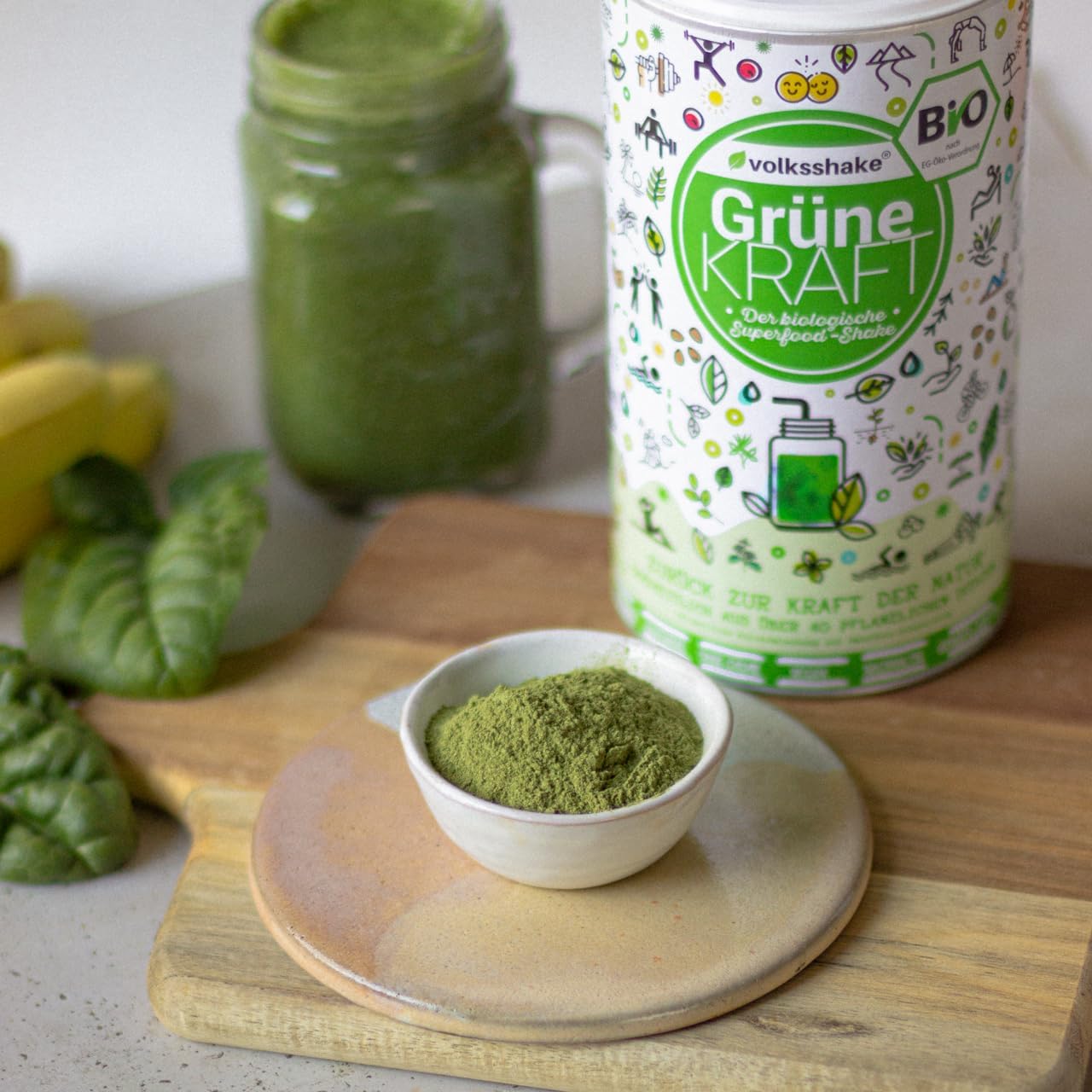
Bio Green Power
Superfood Blend

Massage Gun
Portable Heat Therapy
As an Amazon Associate we earn from qualifying purchases. Prices may vary.
Written by MensHealthInstitute Team
Evidence-based Longevity Research