
NMN vs NR (NAD+): Mechanisms, Expectations, and How Not to Waste Money
Transparency Disclosure: This article contains affiliate links. If you purchase through these links, we may earn a small commission to support our research. We only recommend products we personally trust.
NMN (nicotinamide mononucleotide) and NR (nicotinamide riboside) are popular NAD+ precursors. The pitch is simple: NAD+ supports mitochondrial energy production, DNA repair pathways, and cellular stress responses, and NAD+ levels may decline with age in some tissues. Therefore, raising NAD+ should improve aging.
The logic is not crazy, but the translation from biochemistry to real-world outcomes in humans is usually less dramatic than the internet makes it sound. This article is a realism filter: what NMN/NR can do, what they probably cannot, and how to approach them as an experiment.
1) What NAD+ is (and why people care)
NAD+ is a coenzyme present in every cell. It matters for:
- energy metabolism (redox reactions and mitochondrial function),
- DNA repair signaling (e.g., enzymes activated during stress),
- cellular adaptation pathways linked to resilience.
Aging is not one pathway, and NAD+ is not a single “master switch”. But it is a relevant node in the network.
2) NMN vs NR: the practical differences
NR enters the NAD+ “salvage” pathway and can be converted downstream.
NMN is one step closer to NAD+ on paper, but “closer” does not automatically mean “better” in practice. Absorption, transport, tissue targeting, and individual variability can all change the outcome.
A fair summary:
- both can influence NAD+-related markers,
- human outcomes are often subtle,
- response depends on sleep, training, metabolic health, and age.
3) What you might notice (and what you likely will not)
Some people report:
- slightly better daytime energy,
- improved tolerance for training volume,
- better mental clarity.
Others notice nothing. If your baseline is poor (short sleep, high alcohol, chronic stress), an NAD+ precursor will not override physiology. Supplements do not beat fundamentals.
4) Who is a better candidate
NMN/NR make the most sense as an 8 to 12 week experiment if:
- you are 35 to 40+ and already cover the basics,
- you train consistently (strength + aerobic work),
- sleep and stress are at least “decent”,
- you are looking for marginal gains, not miracles.
They are a poor first step if:
- sleep is chronically short,
- your lifestyle is chaotic,
- budget is tight (you will get more from training and food).
5) A no-hype testing protocol
- Choose a goal: energy, training tolerance, or focus (pick 1 to 2).
- Track baseline for 2 weeks (sleep, caffeine, alcohol, training).
- Test one compound at a time (NMN or NR, not both).
- Keep dose and timing consistent.
- Evaluate trends, not single days.
- Stop after 8 to 12 weeks if nothing changes.
Safety note: if you take medications, have chronic disease, liver issues, or a history of cancer, discuss this with a clinician. In longevity biology, “supporting repair” always comes with the need for context and caution.
6) Typical dosing and why escalating blindly is usually pointless
Most products are sold in the “hundreds of milligrams” range per day. For an N=1 experiment, chasing dose is usually less important than controlling confounders:
- keep alcohol stable,
- keep sleep consistent,
- keep training load stable.
If you do not see any change after a controlled 8 to 12 week run, increasing dose often just increases cost.
7) How to evaluate effect without self-suggestion
Use simple, repeatable markers:
- daily energy (1 to 10),
- afternoon crash and caffeine dependence,
- training performance (volume tolerance),
- sleep quality trend,
- RHR/HRV trends if you track them.
If your life is variable (travel, poor sleep, stress spikes), NAD+ supplements become noise in the data.
8) What often works similarly (or better) for less money
If the goal is “better cellular energy”, the highest ROI is still:
- 2 to 3 Zone 2 sessions per week (mitochondria respond to aerobic consistency),
- strength training (muscle is a major metabolic organ),
- better sleep and less alcohol,
- improving insulin sensitivity if it is a problem.
If you want to maximize NAD+ without cost, consistent aerobic training and sleep quality are often the best levers because they change the metabolic environment of the whole body.
9) Product quality: the unglamorous but important part
If you decide to test NMN or NR, the main practical risk is not that the compound is “too strong” - it is buying a low-quality product. Basic rules:
- avoid vague proprietary blends,
- prefer brands that publish batch testing or third-party verification,
- do not stack five longevity compounds at once (you will not know what did what),
- keep the experiment long enough to see a trend (8 to 12 weeks).
If you cannot control quality and confounders, the results will be random regardless of the mechanism.
Bottom line
NMN and NR are interesting, but they are not foundational. Build the base first (sleep, training, protein, metabolic health). Then test one precursor with a controlled protocol. If it helps, you should see it in trends: recovery, stable energy, and training tolerance - not an instant “anti-aging” transformation.
This is not medical advice. If you have medical conditions or take medications, discuss supplementation with a qualified clinician.
Recommended Products
Hand-picked essentials for longevity, recovery, and peak performance.

NIVEA MEN Hyaluron
Anti-Aging Face Cream

Cellular 1-MNA
Anti-Aging Supplement
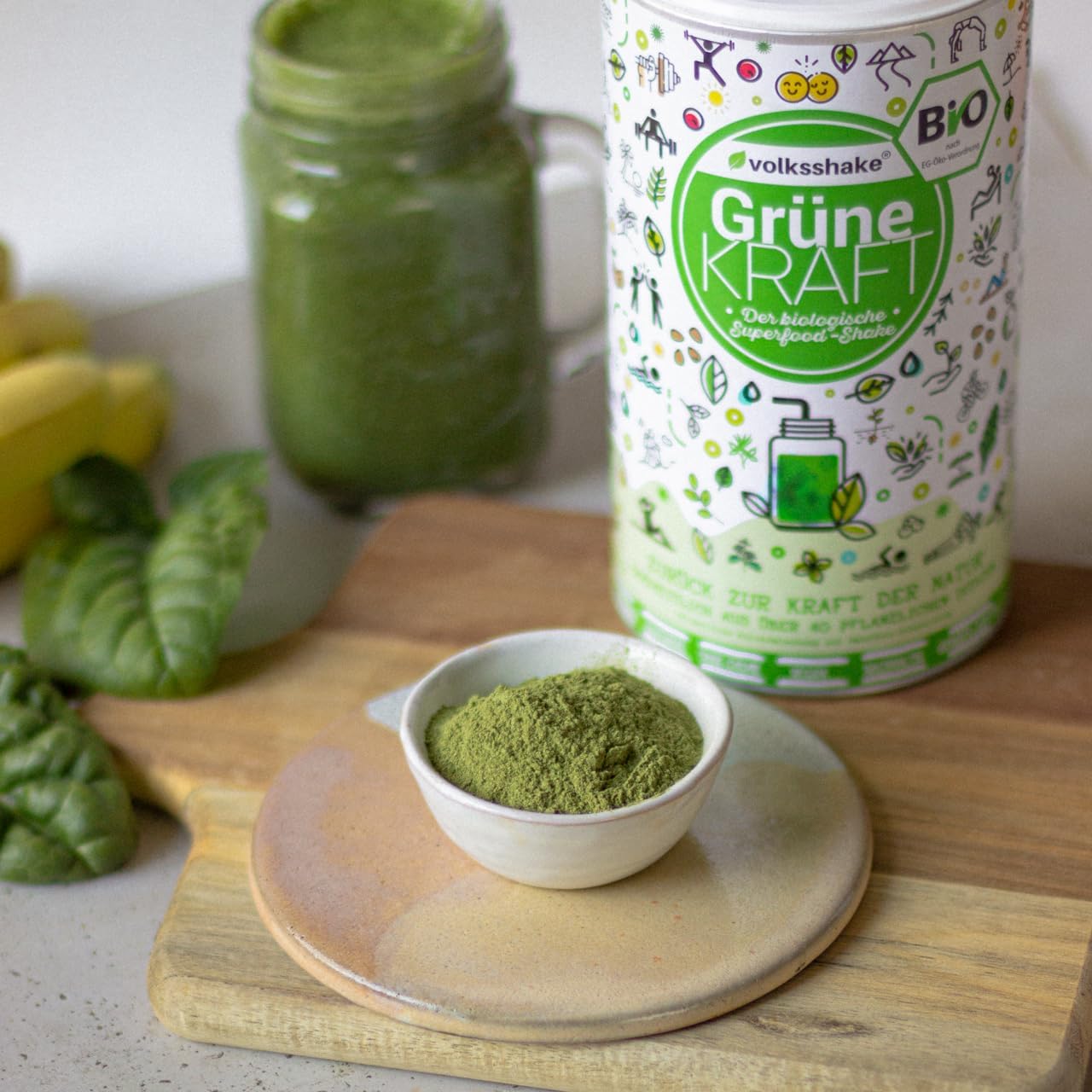
Bio Green Power
Superfood Blend

Massage Gun
Portable Heat Therapy
As an Amazon Associate we earn from qualifying purchases. Prices may vary.
Written by MensHealthInstitute Team
Evidence-based Longevity Research