
Breathing, Nasal Airflow, and Sleep: Small Tweaks That Can Improve HRV and Recovery
Transparency Disclosure: This article contains affiliate links. If you purchase through these links, we may earn a small commission to support our research. We only recommend products we personally trust.
Many people chase a supplement stack for sleep and ignore something more basic: breathing mechanics. If you mouth-breathe at night, snore, or wake up with a dry mouth, sleep quality often suffers even if your “sleep duration” looks fine.
This is not a list of magical techniques. It is a practical set of interventions that can improve how you breathe at night, which can improve how you recover.
1) Why the nose matters
Nasal breathing:
- adds resistance that stabilizes airflow,
- humidifies and filters air,
- supports nitric oxide signaling in the nasal passages,
- tends to promote a calmer breathing rhythm.
Mouth breathing is more often associated with snoring, fragmented sleep, and waking up unrefreshed (though causes differ between people).
2) A quick self-screen: 5 red flags
Pay attention if you regularly:
- wake with dry mouth or sore throat,
- snore (your partner will notice before you do),
- get morning headaches,
- sleep 7 to 9 hours but still feel unrefreshed,
- feel daytime sleepiness despite “enough” sleep.
These are not a diagnosis. They are signals to take the topic seriously.
3) The 7-day basics protocol
Step 1: Improve nasal airflow in the evening
- saline rinse if you tolerate it,
- warm shower/steam for 5 to 10 minutes,
- reduce allergy triggers (dust in the bedroom, dirty bedding, pets in the bed).
Step 2: Sleep position experiment
For many men, sleeping on the back increases snoring.
- try 3 nights on your side,
- use a pillow setup that prevents rolling back,
- compare morning energy and your nightly trend data.
Step 3: Calm breathing before bed
For 5 minutes:
- inhale through the nose for ~4 seconds,
- exhale through the nose for ~6 to 8 seconds,
- keep it gentle (no big forced breaths).
A longer exhale is a simple way to nudge the nervous system toward “downshift”.
4) Mouth taping: when it can help (and when it should not)
Mouth taping is popular, but it is not for everyone.
It may help if:
- your nose is clear,
- the issue is a mouth-breathing habit,
- snoring is mild.
Avoid it if:
- your nose is chronically blocked,
- you suspect sleep apnea,
- you have panic symptoms that worsen with breathing restriction.
If you experiment, start with short periods while awake or a brief nap, not a full night.
5) CO2 tolerance: the safe takeaway
Some people over-breathe at rest (higher ventilation than needed), which can feel like “air hunger” even when oxygen is fine. Without getting lost in debates, the safest lever is:
- slow, gentle breathing,
- emphasis on longer, calmer exhales,
- avoiding aggressive breath-holds if you have any medical concerns.
If you have lung or cardiac disease, do not experiment without supervision.
6) Small tools that can make a big difference
These are not “gadgets” - they are practical supports:
- nasal strips can improve airflow for some,
- bedroom humidity matters in dry seasons,
- allergen control (dust) often improves evening congestion,
- better neck support can reduce airway collapse in some positions.
Rule of thumb: improve nasal airflow first, then consider mouth taping.
7) When this might be sleep apnea (do not delay)
If you have several of these:
- loud habitual snoring,
- witnessed pauses in breathing,
- excessive daytime sleepiness,
- high blood pressure or central obesity,
take it seriously. Sleep apnea is not a willpower issue. It is airway mechanics and physiology, and it has effective treatments.
8) Daytime training that often improves nighttime breathing
A simple habit with no equipment:
- 10 to 20 minutes of easy walking daily,
- nasal breathing if your nose is clear,
- pace that allows full sentences.
This supports a calmer baseline breathing pattern and improves sleep quality independent of techniques.
If nasal obstruction is persistent for months, consider a medical evaluation (allergies, deviated septum, chronic inflammation). The goal is not perfection. The goal is removing an obvious bottleneck.
The best test of any intervention is simple: less snoring, fewer awakenings, and better morning energy for at least a week, not one night.
9) If you track HRV and resting heart rate: what to look for
Breathing and sleep changes rarely show up as a single “perfect” night. Look for trends:
- resting heart rate drifting down over 7 to 14 days,
- HRV drifting up or stabilizing (less volatility),
- fewer middle-of-the-night awakenings,
- improved morning alertness.
If your numbers improve but you still feel terrible, consider that the bottleneck may be elsewhere (stress, under-eating, overtraining). If you feel better but the device disagrees, trust how you function first.
Bottom line
If you want a high-ROI “biohack”, start with basics: nasal airflow, sleep position, and calm breathing before bed. When breathing improves, sleep often improves - and recovery follows.
This is not medical advice. If you suspect sleep apnea or have significant daytime sleepiness, talk to a clinician and consider proper testing.
Recommended Products
Hand-picked essentials for longevity, recovery, and peak performance.

NIVEA MEN Hyaluron
Anti-Aging Face Cream

Cellular 1-MNA
Anti-Aging Supplement
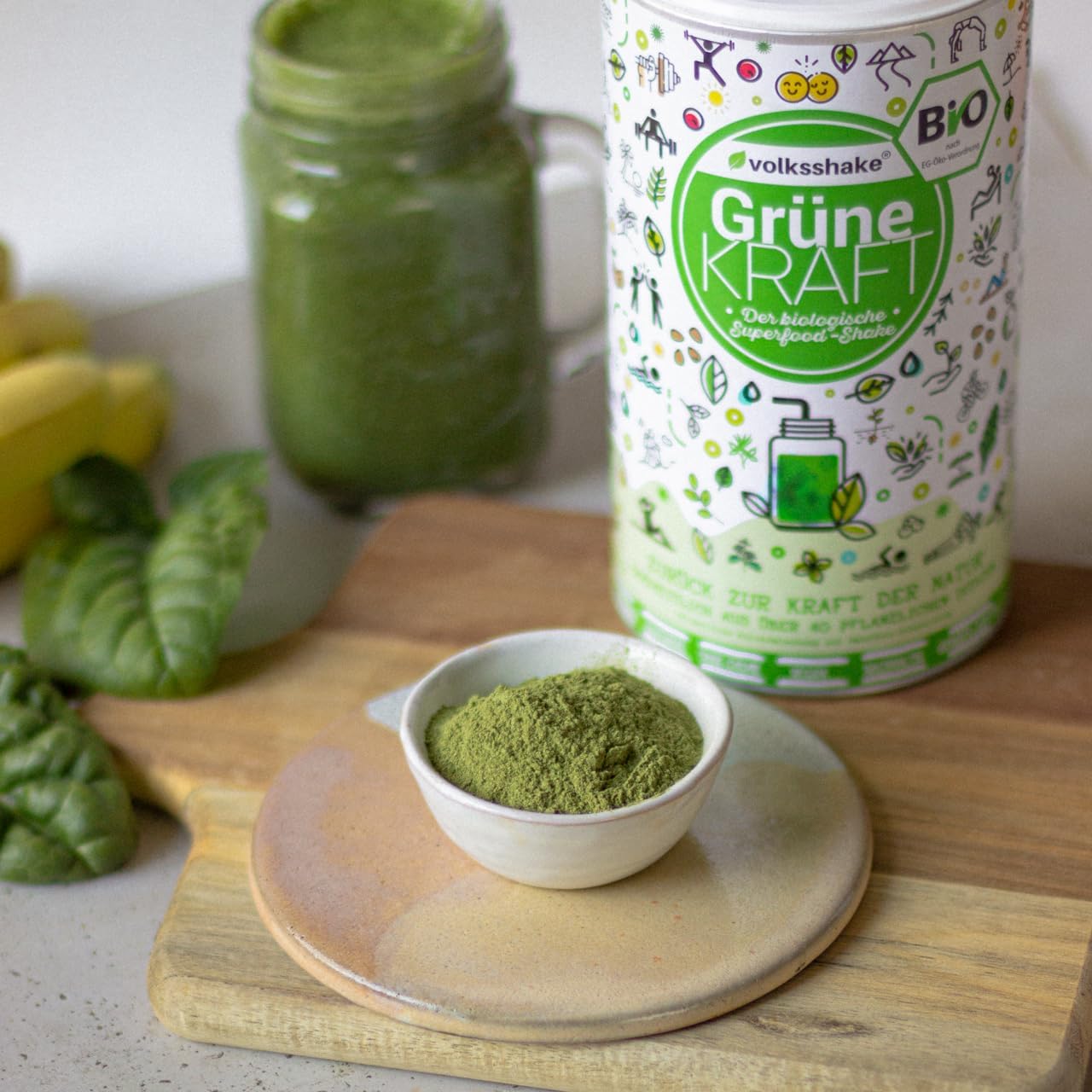
Bio Green Power
Superfood Blend

Massage Gun
Portable Heat Therapy
As an Amazon Associate we earn from qualifying purchases. Prices may vary.
Written by MensHealthInstitute Team
Evidence-based Longevity Research