
Microplastics, BPA, and PFAS: What You Can Realistically Reduce (Without Paranoia)
Transparency Disclosure: This article contains affiliate links. If you purchase through these links, we may earn a small commission to support our research. We only recommend products we personally trust.
The topic of microplastics and “chemical exposure” can go off the rails fast: either you ignore it completely, or you try to control every detail. A rational strategy sits in the middle: reduce the biggest sources of exposure, especially where the cost is low, and stop there.
This article is a high-ROI checklist. You do not need a perfect house. You need a few smart defaults.
1) Why this matters (in one paragraph)
Some compounds used in plastics and coatings (for example BPA, certain phthalates, and some PFAS) are discussed as endocrine disruptors because they can interact with hormone signaling in laboratory and observational research. The real world is messy: exposure is chronic, doses vary, and people are exposed to mixtures, not single chemicals.
That uncertainty is exactly why the best approach is not fear, but risk reduction where it is easy.
2) The top 6 actions you can do in 30 minutes
1) Remove plastic from heat + food
The highest-risk scenario is usually heat + food + time (especially fatty foods).
- do not microwave food in plastic containers,
- move hot food into glass/ceramic,
- replace scratched plastic containers (wear and tear matters).
2) Switch your daily bottle and cup
A stainless steel or glass bottle eliminates constant contact and makes the habit automatic.
3) Water: use a filter you actually maintain
A basic pitcher or faucet filter is not “magic”, but it is a reasonable baseline. The key is replacing cartridges on schedule.
4) Non-stick cookware: be honest about condition
If a non-stick surface is damaged, replace it. Alternatives: stainless steel, cast iron, ceramic. The practical rule: do not overheat damaged coatings and do not scrape them aggressively.
5) Receipts and “quick” cosmetics
Thermal receipts and fragranced products can be sources of unwanted compounds.
- wash hands after handling many receipts,
- reduce fragranced, water-resistant products unless you need them.
6) Dust + ventilation (unsexy but effective)
House dust can carry residues from materials and textiles.
- vacuum (HEPA if possible),
- wet-wipe surfaces in the bedroom,
- ventilate rooms regularly.
3) Second-order upgrades (only if you want to go further)
- Food choices: more fresh, less ultra-processed and heavily packaged.
- Storage: do not store oily sauces long-term in soft plastics.
- Clothing: synthetic textiles shed microfibers; consider practical laundry habits.
- Kitchen tools: swap plastic tools that touch hot surfaces for wood or high-quality silicone.
3a) Kitchen and shopping: where the biggest wins usually are
If you want to be strategic, focus on:
- packaging and reheating (plastic + heat + fat),
- ultra-processed food (more packaging, less control, higher “daily exposure”).
Simple habits that stick:
- buy more “base” foods (rice, eggs, frozen vegetables) and fewer ready meals,
- stop reheating in plastic,
- keep hot food in glass when possible.
This is not a detox. It is frictionless minimization.
4) What matters more than 90% of “detox” content
For longevity and hormones, the fundamentals usually move the needle more than any exposure-optimization project:
- 7 to 9 hours of sleep,
- strength training 2 to 4x per week,
- waist circumference and body fat reduction if needed,
- a mostly minimally processed diet,
- less alcohol.
Exposure reduction is a supporting layer, not the main game.
4a) Mini-FAQ (keep it sane)
Do I need to throw away all plastic? No. Start with plastic that touches hot food.
Is a water bottle in a hot car a problem? If you regularly drink from heated plastic bottles, switching to stainless/glass is an easy improvement.
Do I need to buy “eco” everything? No. A few targeted swaps beat a perfect shopping list.
4b) A simple 7-day plan (to make it stick)
- Day 1: replace two scratched food containers.
- Day 2: set the rule: “no microwaving in plastic”.
- Day 3: switch your daily bottle/cup.
- Day 4: swap hot-contact kitchen tools (spatulas, spoons).
- Day 5: set a water filter maintenance reminder.
- Day 6: wet-wipe and vacuum the bedroom.
- Day 7: pick one permanent habit (e.g., fewer ready meals) and stop adding new rules.
4c) What is usually not worth obsessing over
If you are already doing the big wins, most remaining tweaks are diminishing returns. Do not burn mental bandwidth on perfection. The purpose of this strategy is to reduce obvious, repeatable exposures, not to create anxiety or a new full-time job.
Bottom line
You cannot reduce exposure to zero, and you do not need to. Start with the big wins: heat and plastic, daily drinking habits, and clean air/dust in the bedroom. Then return to the fundamentals.
This is not medical advice. If you are concerned about fertility, thyroid issues, or persistent symptoms, use exposure reduction as one part of a broader plan that includes diagnostics and lifestyle.
Recommended Products
Hand-picked essentials for longevity, recovery, and peak performance.

NIVEA MEN Hyaluron
Anti-Aging Face Cream

Cellular 1-MNA
Anti-Aging Supplement
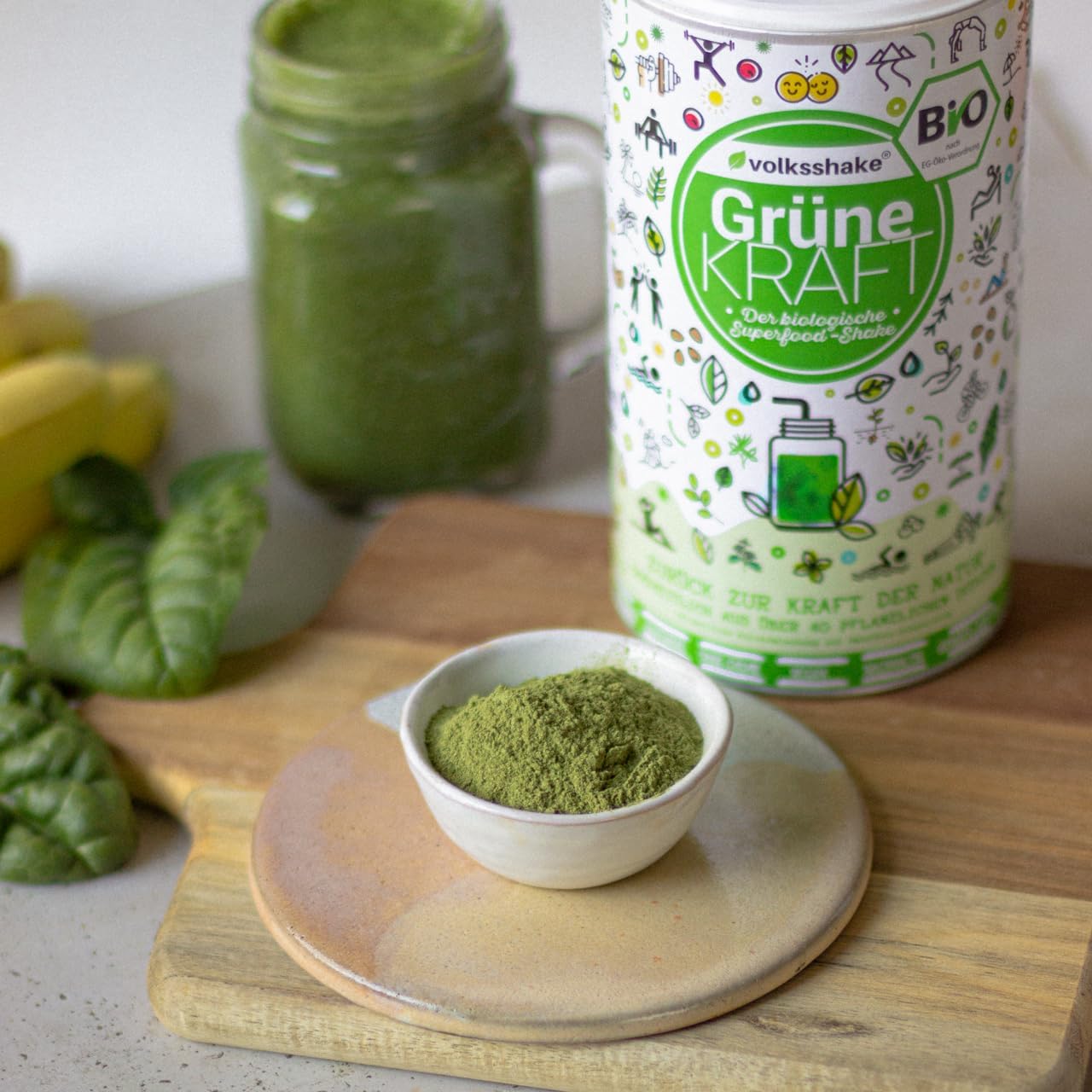
Bio Green Power
Superfood Blend

Massage Gun
Portable Heat Therapy
As an Amazon Associate we earn from qualifying purchases. Prices may vary.
Written by MensHealthInstitute Team
Evidence-based Longevity Research