Longevity Lifestyle: Exercise, Diet, and Recovery Tips for Men 50+
Transparency Disclosure: This article contains affiliate links. If you purchase through these links, we may earn a small commission to support our research. We only recommend products we personally trust.
The 80/20 of Longevity Exercise
If you want to live to 100, you need to train for it. This doesn’t mean running marathons or CrossFitting yourself into the ground. It means building a metabolic engine that doesn’t quit and a musculoskeletal system that can handle life’s demands well into your 90s.
The data is clear: VO2 max and muscle mass are the two strongest predictors of all-cause mortality. Not cholesterol. Not blood pressure. Your ability to climb stairs without getting winded.
This article outlines the exact weekly structure used by longevity-focused athletes, biohackers, and researchers.
The 4 Pillars of Longevity Exercise
Pillar 1: Zone 2 Cardio (The Base)
What it is: Exercise at an intensity where you can hold a conversation, but it’s annoying to do so. You’re working, but not gasping for air.
Heart rate target:
- 60-70% of max heart rate
- Formula: (220 - age) × 0.65
- Example: 40-year-old → ~115-125 bpm
Why it matters:
- Builds mitochondrial density (more cellular energy factories)
- Improves fat oxidation (metabolic flexibility)
- Enhances capillary density (better oxygen delivery)
- Reduces resting heart rate (cardiovascular efficiency)
What the research shows:
- Peter Attia: “Zone 2 is the most underrated longevity intervention.”
- Studies show 150+ min/week reduces all-cause mortality by 30%
The Protocol:
Frequency: 3-4 sessions per week
Duration: 45-60 minutes per session (minimum 3 hours/week total)
Best modalities:
- Walking (incline treadmill at 3-4 mph, 10-15% grade)
- Cycling (stationary or outdoor)
- Rowing machine
- Swimming
- Hiking
How to track:
- Use a heart rate monitor (Polar H10, Apple Watch, Garmin)
- Nasal breathing only (if you must mouth breathe, you’re going too hard)
- Talk test: You should be able to speak full sentences, but not comfortably
Common mistake: Going too hard. Zone 2 should feel easy at first. Your ego will want to push. Don’t.
Pillar 2: VO2 Max Training (The Ceiling)
What it is: High-Intensity Interval Training (HIIT) that pushes your cardiovascular system to its limit.
Why it matters: VO2 max = the maximum amount of oxygen your body can utilize during exercise.
The data:
- Moving from the bottom 25% to the top 25% of VO2 max for your age reduces mortality risk by 5x
- VO2 max declines ~10% per decade after age 30 (unless you train it)
What the research shows: A study in JAMA (2018) found: “Cardiorespiratory fitness is a stronger predictor of mortality than traditional risk factors like hypertension, smoking, and diabetes.”
The Protocol (4x4 Norwegian Method):
Frequency: 1-2 sessions per week (more is not better—recovery matters)
Structure:
- Warm-up: 10 min easy
- Intervals: 4 rounds of:
- 4 minutes HARD (85-95% max HR, ~RPE 8-9/10)
- 3 minutes EASY recovery (60-70% max HR)
- Cool-down: 5 min easy
Total time: ~40 minutes
Best modalities:
- Assault bike
- Rower
- Running (if joints allow)
- Hill sprints
- Swimming
How it feels:
- During the 4-min hard intervals, you should be suffering
- You should NOT be able to speak
- By minute 3-4, you’re counting down seconds
Safety note: If you’re over 50 or have cardiovascular issues, get medical clearance before starting HIIT.
Pillar 3: Strength Training (The Armor)
Why it matters: Muscle is your metabolic armor. After age 30, you lose ~3-5% of muscle mass per decade (sarcopenia). By age 80, the average person has lost 30-40% of their muscle.
The consequences:
- Loss of independence (can’t get up from a chair, carry groceries)
- Increased fall risk (leading cause of death in elderly)
- Metabolic dysfunction (muscle is a glucose sink—losing it worsens insulin resistance)
The solution: Lift heavy things 3-4x per week.
The Protocol:
Frequency: 3-4 sessions per week
Split options:
Option A: Full-Body (3x/week)
- Monday: Full-body
- Wednesday: Full-body
- Friday: Full-body
Option B: Push/Pull/Legs (3-4x/week)
- Monday: Push (chest, shoulders, triceps)
- Wednesday: Pull (back, biceps)
- Friday: Legs
- (Optional) Sunday: Upper body accessory
Rep ranges:
- Strength (3-6 reps): Heavy compound lifts
- Hypertrophy (8-12 reps): Muscle building
- Endurance (15+ reps): Joint health, work capacity
Core lifts for longevity:
- Squat (goblet, back, or front)
- Deadlift (conventional, trap bar, or Romanian)
- Bench Press (barbell or dumbbell)
- Overhead Press
- Rows (barbell, dumbbell, or cable)
- Pull-ups/Chin-ups
Longevity-specific movements:
- Loaded carries (farmer’s walks, suitcase carries)
- Step-ups (mimics stair climbing)
- Get-ups (Turkish get-up for full-body coordination)
Sample Full-Body Session:
- Squat: 3 sets × 8 reps
- Romanian Deadlift: 3 sets × 10 reps
- Bench Press: 3 sets × 8 reps
- Bent-Over Row: 3 sets × 10 reps
- Overhead Press: 3 sets × 8 reps
- Farmer’s Walk: 3 sets × 40 yards
Rest: 2-3 minutes between sets
Progression: Add 5 lbs every 2 weeks (or when you hit 3×10 cleanly)
Pillar 4: Heat Stress (Sauna)
Why it matters: Sauna use mimics moderate exercise by increasing heart rate, improving circulation, and triggering beneficial stress responses.
The science:
- Heat Shock Proteins (HSP): Repair damaged proteins (anti-aging)
- Cardiovascular benefits: Improves endothelial function, lowers blood pressure
- Longevity data: Finnish study of 2,300 men found sauna use 4-7x/week reduced all-cause mortality by 40%
The Protocol:
Frequency: 4-7 sessions per week
Duration: 15-20 minutes per session
Temperature: 175-195°F (80-90°C)
Timing:
- Post-workout (aids recovery)
- Evening (promotes deep sleep)
- Avoid: Immediately before strength training (reduces performance)
Advanced protocol:
- Alternate hot sauna with cold plunge (3 min hot → 1 min cold, repeat 3-4x)
- This is called contrast therapy and amplifies benefits
Safety:
- Hydrate heavily (drink 16-24 oz water after)
- Exit if you feel dizzy or nauseous
- Avoid alcohol before/during (dehydration risk)
Part 2: The Longevity Diet
Philosophy: Eat real food. Prioritize protein. Fill the rest with colorful vegetables and healthy fats.
Protein: The Non-Negotiable
Target: 1 gram per pound of target body weight
Why so much?
- Muscle protein synthesis declines with age (you need more protein to maintain muscle)
- Higher satiety (reduces overeating)
- Thermic effect of food (burns more calories during digestion)
Best sources:
- Grass-fed beef, bison
- Wild-caught fish (salmon, sardines, mackerel)
- Pastured eggs
- Greek yogurt
- Whey or collagen protein powder
Timing:
- 30-50g protein per meal (4 meals = 120-200g total)
- Post-workout: 40g within 2 hours
Vegetables: The Longevity Secret
Target: 8-10 servings per day
Why:
- Polyphenols (antioxidants)
- Fiber (gut health, glucose control)
- Micronutrients (vitamins, minerals)
Best choices (most nutrient-dense):
- Cruciferous: Broccoli, Brussels sprouts, kale, arugula
- Leafy greens: Spinach, Swiss chard, collard greens
- Alliums: Garlic, onions, shallots
- Colorful: Beets, carrots, bell peppers
Preparation:
- Lightly steamed or sautéed (preserves nutrients)
- Add fat (olive oil, butter) for absorption of fat-soluble vitamins
Fats: The Misunderstood Macro
Target: 0.4-0.5g per pound of body weight
Best sources:
- Extra virgin olive oil (polyphenol-rich)
- Avocados
- Fatty fish (omega-3s)
- Nuts (almonds, walnuts, macadamias)
- Dark chocolate (85%+ cacao)
Avoid:
- Seed oils (canola, soybean, corn oil)—oxidize easily, promote inflammation
Carbohydrates: Context-Dependent
Active individuals (training hard): 1-2g/lb Sedentary or metabolically impaired: 0.5-1g/lb
Best sources:
- Sweet potatoes, white rice, oats
- Fruit (berries, apples)
- Avoid: Refined sugar, processed grains
Part 3: The Complete Weekly Template
Sample Week for a 45-Year-Old Male (Intermediate Fitness)
Monday:
- AM: Strength training (Push session, 60 min)
- PM: Sauna (20 min)
Tuesday:
- AM: Zone 2 cardio (cycling, 60 min)
- PM: Light walk (30 min)
Wednesday:
- AM: Strength training (Pull session, 60 min)
- PM: Sauna (20 min)
Thursday:
- AM: VO2 max intervals (4x4 protocol, 40 min)
- PM: Mobility work (20 min)
Friday:
- AM: Strength training (Legs session, 60 min)
- PM: Sauna (20 min)
Saturday:
- AM: Zone 2 cardio (hiking, 90 min)
- PM: Cold plunge (optional)
Sunday:
- AM: Active recovery (yoga, easy walk, 30 min)
- PM: Meal prep for the week
Total weekly volume:
- Strength: 3 sessions
- Zone 2: ~3.5 hours
- VO2 max: 1 session
- Sauna: 4 sessions
Part 4: Recovery and Longevity Hacks
Sleep: The Foundation
(See dedicated sleep optimization article)
Non-negotiables:
- 7-9 hours per night
- Same sleep/wake time daily (±30 min)
- Track with Oura Ring or Whoop
Cold Exposure
Benefits:
- Increases brown fat (metabolic boost)
- Improves insulin sensitivity
- Enhances mood (dopamine release)
- Reduces inflammation
Protocol:
- 3 min cold shower (end of regular shower)
- OR: Ice bath 2-3x/week (50-59°F for 5-10 min)
Mobility and Flexibility
Why it matters: Range of motion declines with age. Stiffness = injury risk.
Daily practice (10 min):
- Hip flexor stretch
- Thoracic spine rotation
- Hamstring stretch
- Shoulder dislocations (with band)
Tools:
- Foam roller
- Lacrosse ball
- Resistance bands
Stress Management
Chronic stress = accelerated aging.
Daily protocol:
- 10 min meditation (Headspace, Calm, or Waking Up app)
- Box breathing (4 sec in, 4 hold, 4 out, 4 hold)
- Journaling (brain dump before bed)
HRV tracking: Use Oura or Whoop to monitor stress. If HRV drops, reduce training intensity.
Part 5: Supplements for Longevity
Foundational (Everyone):
- Omega-3: 2-4g EPA/DHA
- Vitamin D3 + K2: 5000 IU + 200mcg
- Magnesium: 400-600mg
- Creatine: 5g daily (cognitive + muscle benefits)
Longevity Stack (Men 40+):
- NMN: 500-1000mg
- Resveratrol: 500mg
- TMG: 500mg
Conclusion: The Longevity Lifestyle is a System
You can’t out-supplement a bad diet. You can’t out-train poor sleep. You can’t meditate away the damage from seed oils and sugar.
Longevity is a system:
- Sleep (7-9 hours, tracked)
- Exercise (Zone 2 + VO2 max + strength)
- Nutrition (protein, vegetables, healthy fats)
- Recovery (sauna, cold, mobility)
- Stress management (meditation, HRV tracking)
Start with one pillar. Master it. Then add the next.
The goal isn’t to live to 100 in a wheelchair. It’s to be skiing at 80, playing with grandkids at 90, and mentally sharp until the end.
That’s healthspan. And it’s worth fighting for.
Recommended Products
Hand-picked essentials for longevity, recovery, and peak performance.

NIVEA MEN Hyaluron
Anti-Aging Face Cream

Cellular 1-MNA
Anti-Aging Supplement
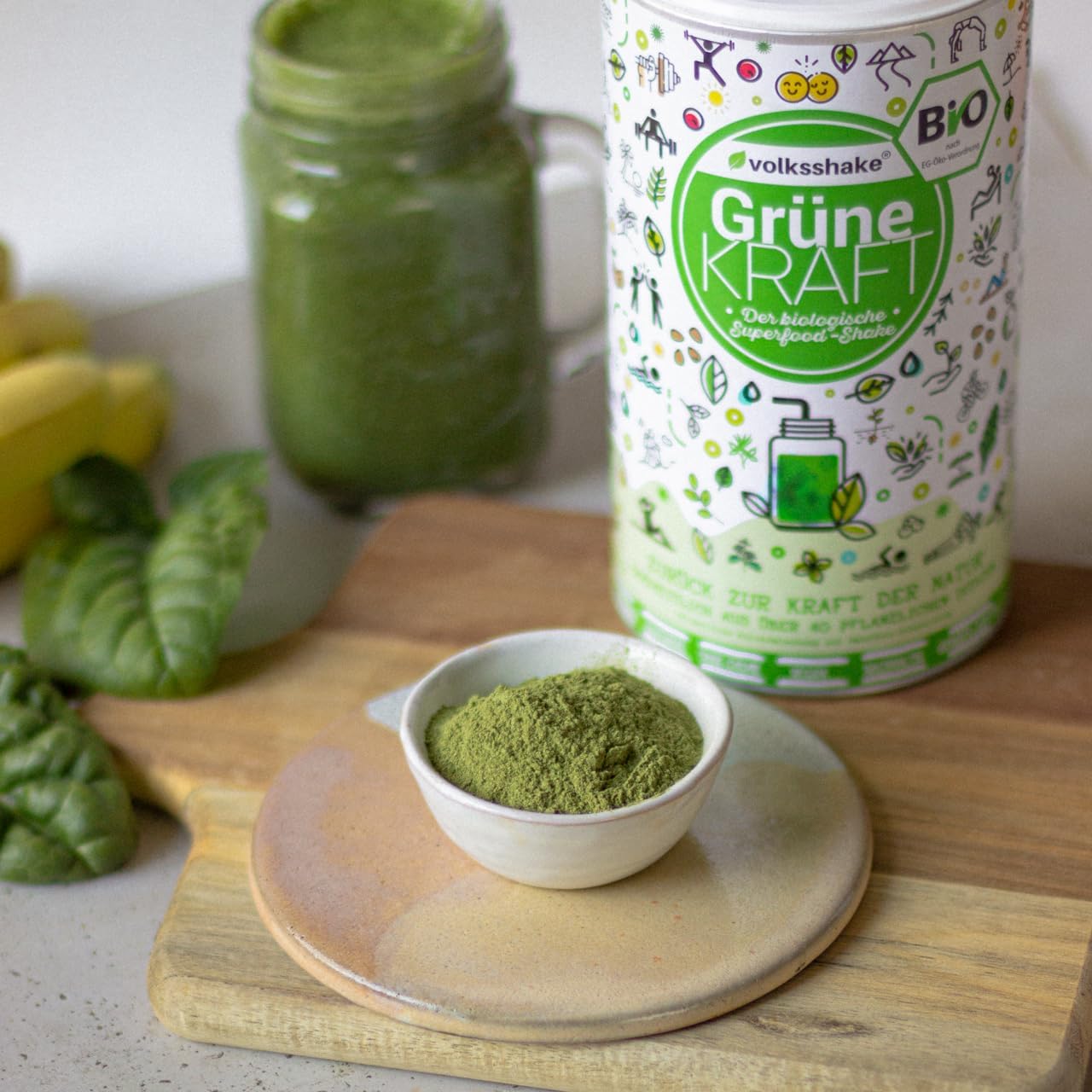
Bio Green Power
Superfood Blend

Massage Gun
Portable Heat Therapy
As an Amazon Associate we earn from qualifying purchases. Prices may vary.
Written by MensHealthInstitute Team
Evidence-based Longevity Research