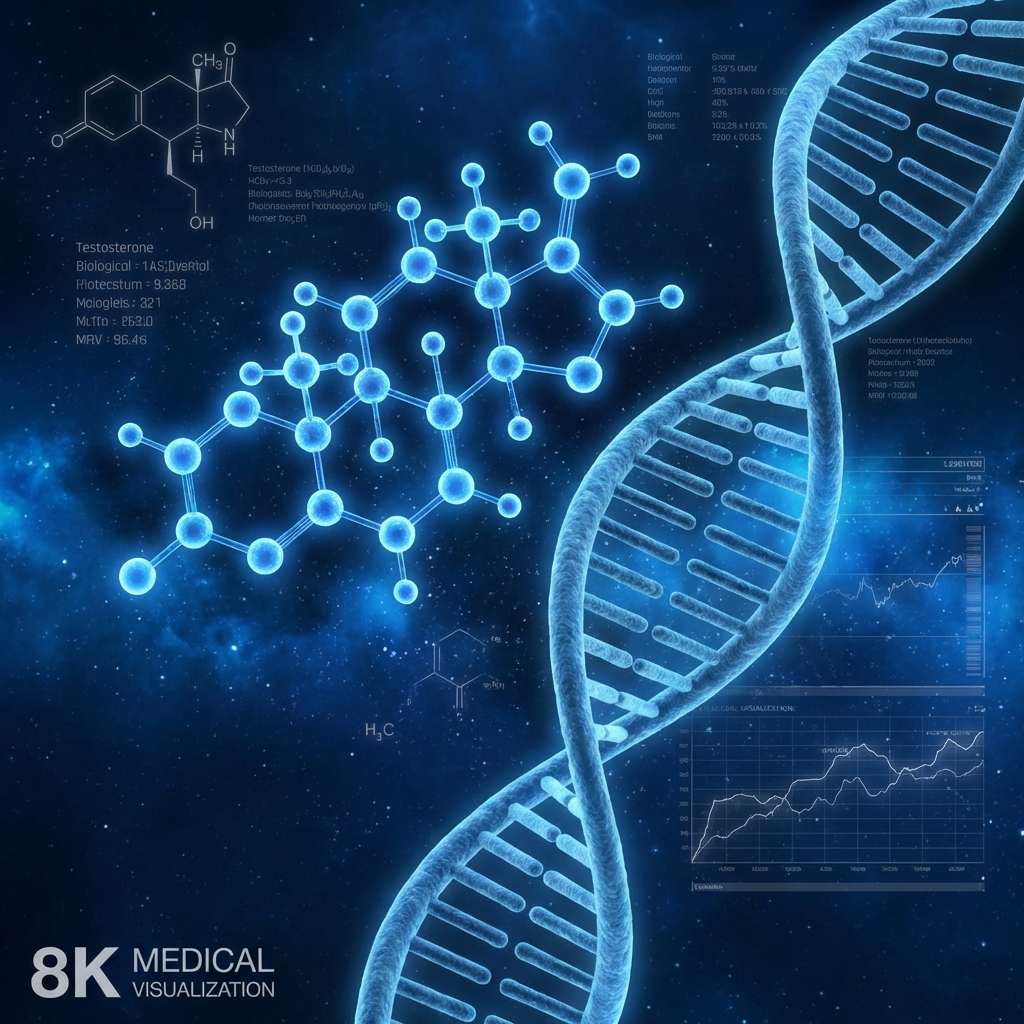
Hormone Optimization for Anti-Aging (Natural Alternatives to TRT)
Transparency Disclosure: This article contains affiliate links. If you purchase through these links, we may earn a small commission to support our research. We only recommend products we personally trust.
The Testosterone Crisis
Average testosterone levels in men have dropped by 1% per year since the 1980s. A 30-year-old man today has the testosterone levels of a 60-year-old from 1990.
This isn’t just about libido or muscle mass. Low testosterone is linked to:
- Increased cardiovascular risk (30% higher)
- Cognitive decline and dementia
- Depression and anxiety
- Metabolic syndrome and diabetes
- All-cause mortality
Before jumping on TRT (Testosterone Replacement Therapy), which is a lifelong commitment with significant downsides (infertility, testicular atrophy, cardiovascular risk), you should exhaust natural optimization strategies.
This guide outlines a evidence-based protocol to naturally boost and maintain optimal testosterone levels—no needles required.
Understanding Testosterone
Types of Testosterone
Total Testosterone
- Includes bound and free T
- Reference range (men 20-49): 300-900 ng/dL
- Problem: “Normal range” is misleading.700 today was average in 1980. Aim for top 25%
Free Testosterone
- Only 2-3% of total T
- The biologically active form
- Optimal (age 40): > 10 pg/mL
- This is what actually matters
SHBG (Sex Hormone Binding Globulin)
- Binds to testosterone, making it unavailable
- High SHBG = Low free T (even if total T is “normal”)
- Reduce with: Boron, resistance training, lower carbs
The Testosterone Decline Causes
Biological (Natural):
- 1% decline per year after age 30
Environmental (Preventable):
- Endocrine disruptors (plastics, pesticides)
- Chronic stress (elevated cortisol)
- Poor sleep (< 6 hours)
- Sedentary lifestyle
- Low-fat diets
- Obesity (aromatization of T to estrogen)
- Excessive alcohol and drugs
The good news: Most modern causes are reversible.
Part 1: The Foundation (Non-Negotiables)
1. Sleep: The Hormonal Reset Button
Sleeping 5 hours a night decreases testosterone by 10-15% compared to sleeping 8 hours. Sleep deprivation also increases cortisol, which directly antagonizes testosterone production.
The Leydig Cell Connection
Testosterone is produced in the Ley dig cells of your testes during REM and deep sleep cycles. Shortchange sleep = shortchange T production.
Optimization Protocol
- Target: 7-9 hours per night
- Consistency: Same bedtime/wake time (+/- 30 min)
- Quality markers (track with Oura/Whoop):
- REM Sleep: > 90 min
- Deep Sleep: > 90 min
- Sleep efficiency: > 85%
Sleep Stack
- Magnesium Glycinate: 400mg
- Glycine: 3g
- Apigenin: 50mg
- Dark room (blackout curtains)
- Cool temperature (65-68°F)
Fix this FIRST before worrying about supplements.
2. Diet: Cholesterol is Your Friend
Low-fat diets KILL testosterone. Why? Because all steroid hormones (testosterone, estrogen, cortisol) are made from cholesterol.
Studies show that men on low-fat diets (<20% calories from fat) have significantly lower T than those eating 40% fat.
Macronutrient Targets
Fat: 30-40% of calories
- Prioritize saturated and monounsaturated fats
- Sources:
- Whole eggs (6-8 per day)
- Red meat (grass-fed beef, lamb)
- Fatty fish (salmon, sardines)
- Avocados
- Olive oil
- Coconut oil
- Full-fat dairy (if tolerated)
Protein: 1g per lb body weight
- Supports muscle mass (which produces T)
- Avoid soy protein isolate (phytoestrogens)
Carbs: Moderate (not keto long-term)
- Very low-carb (<50g) long-term can suppress T
- Target: 150-250g carbs/day from:
- White rice
- Potatoes
- Fruit
- Timing: Carbs post-workout for insulin spike (aids recovery)
Micronutrients for T Production
Essential Minerals:
- Zinc: 30mg daily (oysters, red meat, pumpkin seeds)
- Magnesium: 400-600mg
- Selenium: 200mcg (Brazil nuts)
- Boron: 6-12mg (critical for lowering SHBG)
Foods to avoid
- Soy products (phytoestrogens mimic estrogen)
- Excessive alcohol (>2 drinks/day kills Leydig cells)
- Processed foods (industrial seed oils cause inflammation)
- Licorice root (lowers T significantly)
3. Heavy Compound Lifting: The Testosterone Trigger
Resistance training, particularly heavy compound movements, is one of the most potent natural testosterone boosters.
The Science
- Squats and deadlifts create a massive neuromuscular demand
- This signals your endocrine system: “We need to build muscle. Produce more testosterone.”
- Post-workout T spike can be 15-40% (transient but signals long-term adaptation)
The Protocol
Frequency: 3-4x per week
Focus on Big 5:
- Squats (Barbell Back or Front Squat)
- Deadlifts (Conventional or Sumo)
- Bench Press
- Overhead Press
- Rows (Barbell or Weighted Pull-ups)
Rep Scheme:
- Heavy sets: 4-6 reps (80-85% 1RM)
- Moderate: 8-12 reps (70% 1RM)
- Progressive overload (add weight weekly)
Rest:
- 2-3 min between sets (full ATP recovery)
Duration:
- 45-60 min max (longer sessions increase cortisol)
Avoid: Chronic overtraining (elevates cortisol, crashes T)
Part 2: Supplements That Actually Work
Not all “testosterone boosters” work. Most are garbage. Here are the evidence-based options:
1. Tongkat Ali (Eurycoma Longifolia)
The Free Testosterone Liberator
Tongkat Ali reduces SHBG, which frees up bound testosterone.
The Research
- 200mg daily for 12 weeks → 37% increase in free T (2012 study, University of Malaysia)
- Reduces cortisol by up to 16%
- Improves sperm count and motility
Implementation
- Dosage: 200-400mg of LJ100® or Phytod riven® extract (standardized)
- Timing: Morning with breakfast
- Cycling: 3 weeks on, 1 week off (some users report tolerance)
- Quality check: Look for 100:1 or 200:1 extract ratio
Top Brand: Double Wood Supplements Tongkat Ali (LJ100)
Side Effects: Generally well tolerated. Some report increased aggression/irritability at high doses.
2. Fadogia Agrestis
The LH Stimulator
Fadogia Agrestis mimics Luteinizing Hormone (LH), which signals the testes to produce testosterone.
The Research
- Animal studies show 2-3x increase in T with chronic use
- Human data is limited but anecdotal reports are strong
- Appears to work through increasing testicular LH receptors
Implementation
- Dosage: 400-600mg daily
- Cycling: Mandatory. 8 weeks on, 4 weeks off
- Timing: Morning on empty stomach
Caution: Long-term safety data is lacking. Monitor blood work (liver enzymes, T levels). Consider a more conservative approach: 4 weeks on, 2 weeks off.
Top Brand: Nootropics Depot Fadogia Agrestis
Do NOT combine with: Prescription SERMs or HCG (risk of over-stimulation)
3. Boron
The SHBG Destroyer
This trace mineral significantly reduces SHBG, increasing free testosterone.
The Research
- 10mg daily for 7 days → 28% increase in free T, 39% decrease in SHBG (2011 study)
- Also increases vitamin D levels
- Reduces inflammatory markers
Implementation
- Dosage: 6-12mg daily
- Timing: With breakfast
- Cost: Extremely cheap ($10/year)
Top Brand: Pure Encapsulations Boron
Safety: Do not exceed 20mg/day long-term.
4. Ashwagandha (KSM-66)
The Cortisol Killer
Ashwagandha reduces cortisol, which indirectly raises testosterone (cortisol and T are inversely related).
The Research
- 600mg daily for 8 weeks → 15% increase in T, 27% reduction in cortisol (2019 study)
- Improves stress resilience, sleep quality
- Enhances muscle strength and recovery
Implementation
- Dosage: 300-600mg KSM-66 extract (standardized to 5% withanolides)
- Timing: Evening (promotes relaxation)
Top Brand: Jarrow Formulas KSM-66
Note: Can cause mild sedation in some users. Adjust timing accordingly.
5. Vitamin D3 + K2
The ProHormone
Vitamin D is a steroid prohormone. Deficiency (<30 ng/mL) is directly linked to low T.
The Research
- Supplementation to optimal levels (50-80 ng/mL) increases T by 20-30%
- Receptor sites for Vitamin D found in Leydig cells
Implementation
- ** Dosage:** 5000-10,000 IU daily (depending on baseline levels)
- Must combine with: K2 (200mcg MK-7) to prevent arterial calcification
- Test levels: Aim for 50-80 ng/mL
Top Brand: Thorne Vitamin D/K2
##Part 3: Environmental Toxins (The Hidden Killers)
You can do everything right with diet and exercise, but if you’re swimming in estrogens, you’ll never optimize T.
1. Plastics (BPA/Phthalates)
Xenoestrogens
These chemicals mimic estrogen in the body, binding to estrogen receptors and disrupting hormonal balance.
Sources
- Plastic water bottles (especially when heated)
- Food storage containers
- Receipts (thermal paper)
- Canned foods (BPA lining)
Action Plan
- Eliminate:
- Plastic water bottles → Glass or stainless steel
- Plastic food containers → Glass (Pyrex) or stainless steel
- Never microwave food in plastic
- Minimize:
- Handle receipts minimally (opt for email receipts)
- Choose BPA-free canned goods or fresh/frozen alternatives
2. Personal Care Products
Endocrine Disruptors
Most generic shampoos, body washes, and deodorants contain parabens, phthalates, and artificial fragrances—all of which disrupt hormone production.
Common Culprits
- Parabens (methylparaben, propylparaben)
- Phthalates (hidden as “fragrance”)
- Triclosan (antibacterial agent)
- Sodium lauryl sulfate (SLS)
Action Plan
- Switch to:
- Natural, organic grooming products
- Brands: Dr. Bronner’s, Native, Primal Life Organics
- Read labels: If you can’t pronounce it, don’t put it on your skin
3. Pesticides and Herbicides
Testicular Toxins
Glyphosate (Roundup) and atrazine have been shown to decrease testosterone and harm sperm quality.
Action Plan
- Buy organic for the “Dirty Dozen” (berries, leafy greens, apples)
- Wash produce thoroughly
- Filter water (reverse osmosis or activated carbon to remove pesticide runoff)
4. Alcohol
The T Killer
Excessive alcohol consumption directly damages Leydig cells and increases aromatase activity (converting T to estrogen).
The Data
- 2+ drinks/day significantly lowers T
- Binge drinking (4+ drinks) → 20% temporary T decrease
Action Plan
- Limit: 2-3 drinks per week maximum
- Quality: Red wine (resveratrol benefits) > beer (hops contain phytoestrogens)
- Timing: Never before bed (ruins sleep quality)
Part 4: Advanced Optimization Tactics
1. Cold Exposure (Testicular Cooling)
The Counter-Intuitive Hack
Testicles hang outside the body for a reason: optimal testosterone production occurs at 94-96°F, slightly cooler than core body temp.
The Protocol
- Ice pack on testicles: 15-20 minutes post-workout
- Or: Cold shower with focused spray (2-3 min)
- Avoid: Tight underwear, laptop on lap, heated car seats
Anecdotal reports: 10-15% T increase
2. UV Exposure (Testes)
Controversial but Interesting
Brief UV exposure to the testes may increase T production (Vitamin D synthesis locally?)
Protocol (Experimental)
- 15 minutes of direct sunlight to testes
- 2-3x per week
- Use sun lamp (red light) if direct sun isn’t practical
Caution: No long-term studies. Proceed at your own risk.
3. Intermittent Fasting
The Hormonal Reset
Short-term fasting (16-24 hours) can increase LH and GH, both of which support T production.
Protocol
- 16:8 time-restricted feeding daily
- Or: 24-hour fast 1x per week
Caution: Chronic severe calorie restriction LOWERS T. Fast strategically, not constantly.
The Complete Natural TRT Alternative Protocol
Daily Routine
Morning:
- Tongkat Ali: 200mg
- Fadogia Agrestis: 600mg (if cycling on)
- Boron: 10mg
- Vitamin D3: 5000 IU + K2: 200mcg
- Fasted training (if appropriate)
Afternoon:
- Heavy compound lifts (3-4x/week)
- Post workout: High-protein meal with carbs
Evening:
- Ashwagandha KSM-66: 300mg
- Magnesium Glycinate: 400mg
- Dim lights, prepare for sleep
Lifestyle:
- Sleep: 8 hours (non-negotiable)
- Stress management: 10 min meditation/NSDR
- Eliminate plastics, toxins
- Limit alcohol to 2-3 drinks/week
When to Consider TRT
Natural optimization should be your first line of defense. But sometimes, TRT is medically necessary.
Consider TRT if:
- Total T < 300 ng/dL despite 6 months of natural optimization
- Severe symptoms (crushing fatigue, complete loss of libido, depression)
- Secondary hypogonadism (pituitary issue)
- Age > 60 with quality of life significantly impacted
Work with:
- An experienced hormone specialist (not a “low T clinic” trying to sell you a prescription)
- Monitor: Hematocrit, estradiol, PSA, liver enzymes
Understand Trade-Offs:
- Testicular atrophy
- Infertility (can be mitigated with HCG)
- Lifelong commitment
- Cardiovascular risk (dose dependent)
Conclusion: Reclaim Your Hormonal Health
Your body WANTS to produce testosterone. You just need to remove the roadblocks (toxins, stress, poor sleep) and provide the raw materials (fat, cholesterol, minerals, sunlight).
The 80/20:
- Sleep 8 hours
- Lift heavy 3x/week
- Eat 40% calories from fat (real food)
- Eliminate plastics and endocrine disruptors
- Supplement strategically (Tongkat, Boron, Vitamin D)
Do this consistently for 90 days and retest your levels. Most men see a 20-40% increase in total T and an even greater increase in free T.
You’re not deficient in injections. You’re deficient in the fundamentals.
Fix the foundation first.
Recommended Products
Hand-picked essentials for longevity, recovery, and peak performance.

NIVEA MEN Hyaluron
Anti-Aging Face Cream

Cellular 1-MNA
Anti-Aging Supplement
Bio Green Power
Superfood Blend

Massage Gun
Portable Heat Therapy
As an Amazon Associate we earn from qualifying purchases. Prices may vary.
Written by MensHealthInstitute Team
Evidence-based Longevity Research