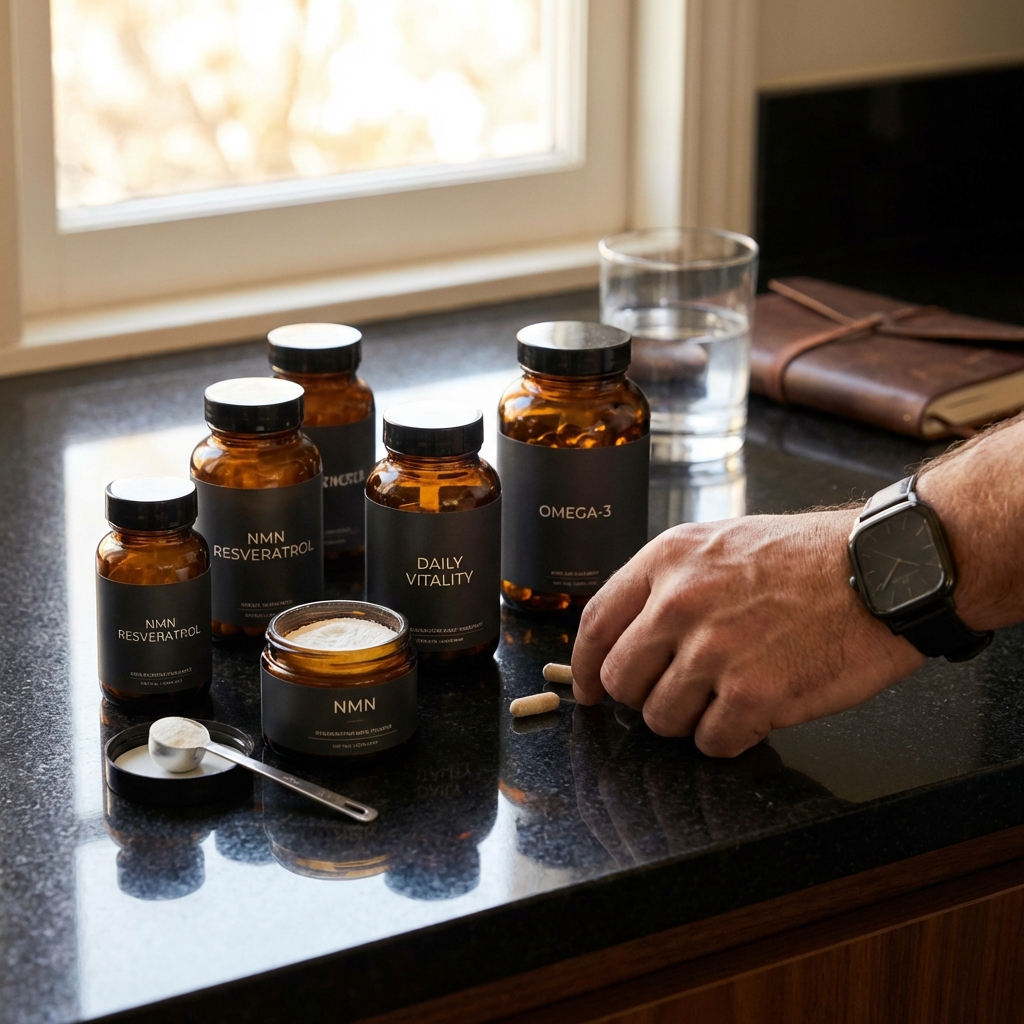
Creatine: Not Just for the Gym. Brain, Metabolism, and Healthy Aging
Transparency Disclosure: This article contains affiliate links. If you purchase through these links, we may earn a small commission to support our research. We only recommend products we personally trust.
Creatine gets marketed as a “muscle” supplement, but the biology is broader. Creatine is part of the phosphocreatine system, a rapid energy buffer that helps cells regenerate ATP during short, high-demand efforts. That matters for lifting and sprinting, but it also matters for maintaining strength with age, supporting training quality, and (in some contexts) cognitive performance under fatigue.
This article is a practical, evidence-aligned guide: what creatine does, what you can realistically expect, how to take it, and where caution is warranted.
1) How creatine works (simple, accurate version)
Your muscles and brain run on ATP. When demand spikes (a heavy set, a sprint, a hard interval), ATP is burned quickly. Phosphocreatine donates phosphate to help regenerate ATP for a short window. Higher creatine stores generally mean:
- better performance in repeated high-intensity efforts,
- better “repeatability” between sets,
- more total high-quality work over time.
That is the real mechanism behind the long-term benefit: creatine does not build muscle by itself, but it can help you train slightly better and recover slightly better from high-power work.
2) What you can realistically gain
Most men notice some combination of:
- a small but consistent bump in strength and power output,
- improved ability to maintain volume (one more rep here, a bit more load there),
- easier progress when dieting (maintaining strength is easier when training quality stays high).
If you expect a dramatic “before vs after” in a week, you will be disappointed. If you expect a modest, measurable advantage that compounds over months, creatine is one of the best tools available.
2a) What about endurance sports?
Creatine is not a classic “marathon supplement” because its strongest effects are on short, intense efforts. But real training is often hybrid: strength work, hills, sprints, intervals, and some easy aerobic volume. In that mixed model, creatine can be useful because it helps you preserve the quality of the high-intensity pieces that drive adaptation.
For longevity, maintaining muscle and power (not only mileage) is a major asset.
3) Dosing: keep it boring
For most adults:
- 3 to 5 g of creatine monohydrate per day, consistently.
A loading phase (higher doses for a few days) can saturate stores faster, but it is not required. If your stomach is sensitive, start low and stay consistent.
Practical tips:
- daily consistency matters more than timing,
- taking it with a meal often improves GI tolerance,
- choose monohydrate (most studied, usually the cheapest).
3a) Timing and “loading”: what matters and what does not
Creatine is about saturation, not an acute stimulant effect. That means:
- timing is secondary (morning vs evening is fine),
- splitting the dose can help if you get GI discomfort,
- loading is optional; long-term daily dosing works.
If your goal is long-term performance and healthy aging, daily 3 to 5 g wins over constant tinkering.
4) Side effects, safety, and common myths
Typical downsides:
- mild stomach upset (usually dose too high at once),
- a small increase in body mass early on (more water stored in muscle).
Kidneys: in generally healthy people at standard doses, creatine is typically well tolerated. If you have known kidney disease, abnormal labs, or you are unsure about your baseline, do not guess. Discuss supplementation with a clinician and consider checking kidney markers.
Hydration: creatine increases intracellular water in muscle. You do not need to obsess, but being chronically dehydrated is never a good idea.
4a) Creatine and hair loss
You will see claims that creatine causes hair loss. Evidence here is limited and the topic gets amplified online. If you have strong genetic risk and this worries you, treat it like a controlled experiment:
- use creatine for 8 to 12 weeks,
- keep training and sleep consistent,
- watch for a real change (not anxiety-driven pattern matching).
If you are concerned, talk to a dermatologist. Avoid making decisions based on internet anecdotes alone.
5) Who benefits the most
Creatine tends to deliver the biggest return for:
- men who lift (strength and hypertrophy training),
- men 35 to 40+ focused on maintaining muscle and power,
- vegetarians and vegans (lower dietary creatine intake),
- people rebuilding training momentum after a break.
If you do not train, the benefit is usually smaller. Creatine is a performance and capacity tool; it works best when you use the capacity.
6) How to pick a product and test whether it helps
Product selection:
- choose creatine monohydrate,
- prefer brands with clear quality testing or batch verification,
- avoid “proprietary blends” and unnecessary stimulants.
A simple 30-day effectiveness test:
- pick 2 lifts (e.g., bench press and squat) and record a reference set,
- take 3 to 5 g daily,
- keep your program the same,
- compare load, reps, and perceived effort after 4 weeks.
If training and recovery are stable, changes are usually subtle but measurable.
Bottom line
If you want one supplement with a strong evidence base, predictable effects, and a good cost-benefit ratio, creatine monohydrate is a top candidate. Use it as a multiplier for training quality and consistency, not as a replacement for sleep, protein, and smart programming.
This is not medical advice. If you have kidney disease, take medications, or have concerning symptoms, discuss creatine with a qualified clinician and consider baseline labs.
Recommended Products
Hand-picked essentials for longevity, recovery, and peak performance.

NIVEA MEN Hyaluron
Anti-Aging Face Cream

Cellular 1-MNA
Anti-Aging Supplement
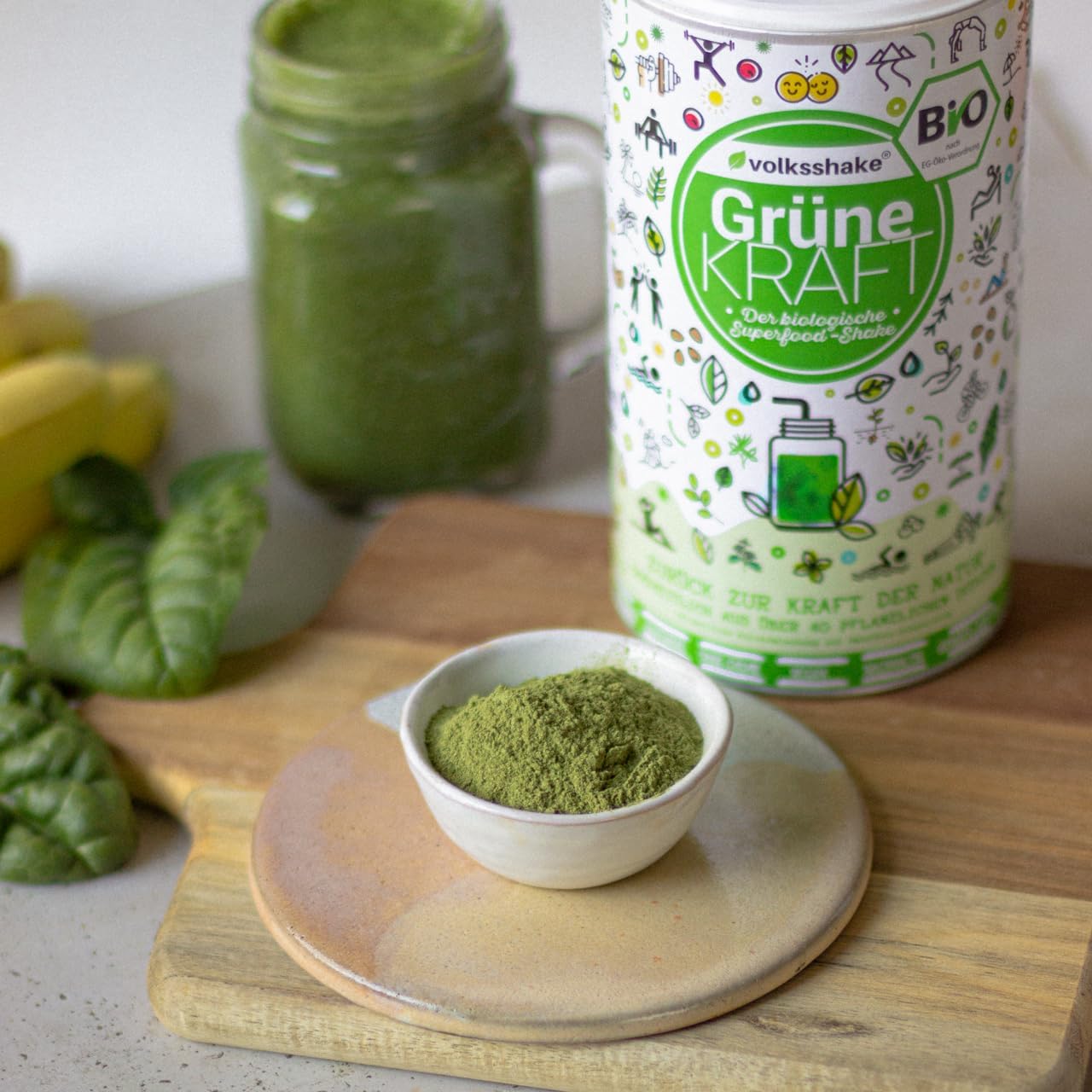
Bio Green Power
Superfood Blend

Massage Gun
Portable Heat Therapy
As an Amazon Associate we earn from qualifying purchases. Prices may vary.
Written by MensHealthInstitute Team
Evidence-based Longevity Research